
The dodo bird, once native to the island of Mauritius, vanished from our world centuries ago. This flightless bird captured the imagination of many, but its story ended in tragedy. The last confirmed sighting of a living dodo occurred in 1662, marking the likely year of its extinction. When Did Dodo Birds Go Extinct?
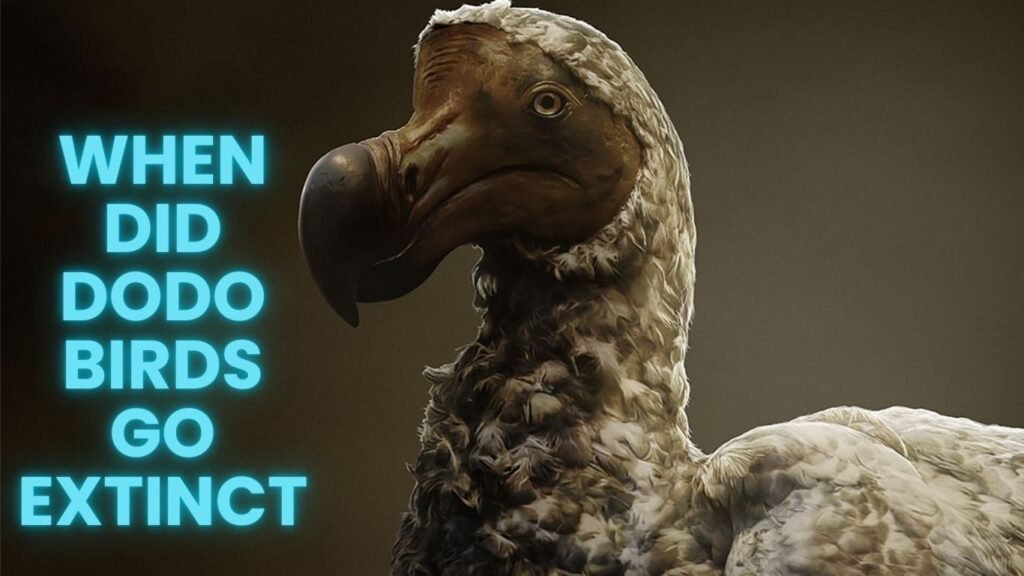
The dodo’s demise came swiftly after humans arrived on Mauritius. Sailors hunted the birds for food, and introduced animals like rats and pigs competed for resources. The dodo, having evolved without natural predators, was ill-equipped to face these new threats.
While 1662 marks the last verified sighting, some believe dodos may have survived until 1690. The exact date remains uncertain, but one thing is clear – human activity led to the rapid disappearance of this unique species. The dodo’s story serves as a stark reminder of how quickly human actions can impact vulnerable wildlife.
Dodo Bird Taxonomy
Dodo birds belonged to the Raphinae subfamily within the pigeon and dove family. They were large flightless birds with distinct physical features.
Scientific Classification
The dodo’s scientific name was Raphus cucullatus. It was part of the Columbidae family, which includes pigeons and doves. Dodos formed the Raphinae subfamily with their closest relative, the Rodrigues solitaire. Both were flightless birds native to islands in the Indian Ocean.
Dodos lived only on Mauritius, an island east of Madagascar. Their isolation led to unique adaptations over time. Scientists classify dodos in the genus Raphus, separating them from other pigeon species.
Physiology and Description
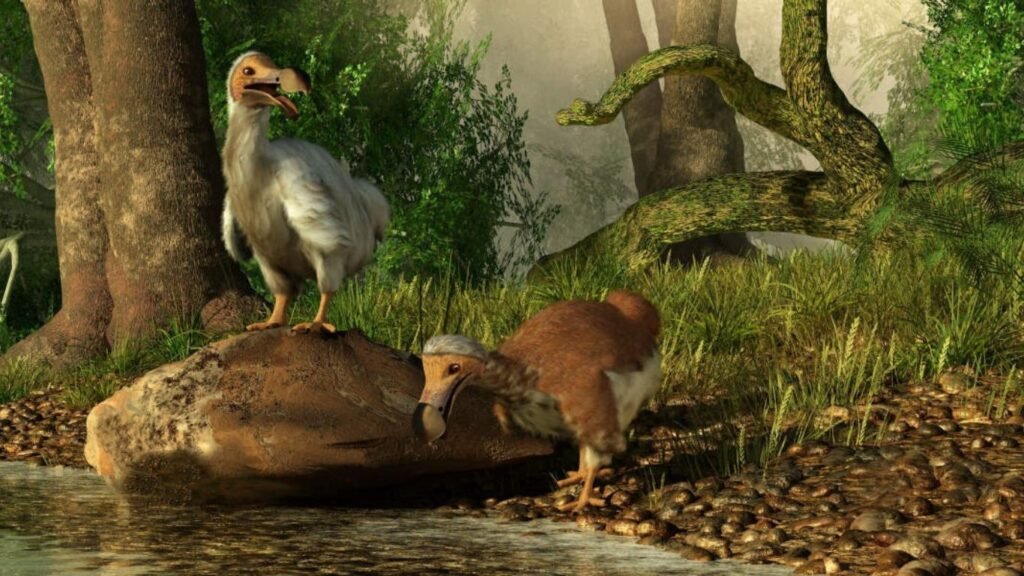
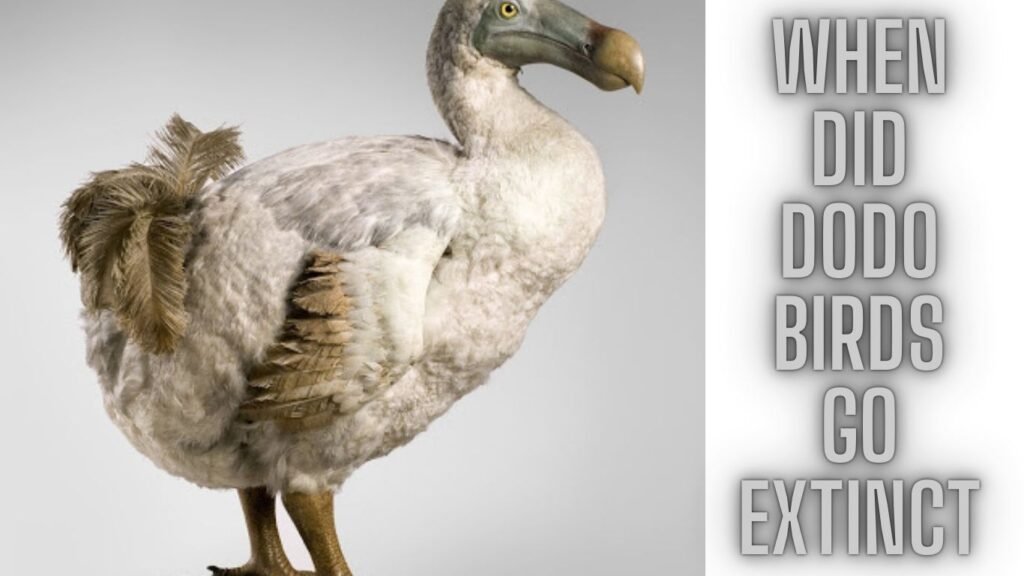
Dodos were large birds, bigger than turkeys. They weighed about 23 kg (50 pounds) on average. Their plumage was blue-gray in color. Dodos had small, useless wings and could not fly.
Key physical features of dodos:
- Big head
- Large, blackish bill (23 cm long) with a reddish hooked tip
- Stout yellow legs
- Curly feather tuft on their rear end
Dodos had a unique appearance compared to other birds. Their inability to fly and large size made them stand out. These traits also made them vulnerable to hunting and predators introduced by humans.
When Did Dodo Birds Go Extinct-Historical Habitat
Dodo birds lived exclusively on the island of Mauritius in the Indian Ocean. Their unique habitat shaped their evolution and ultimately contributed to their extinction.
Geographical Range
Dodos were found only on Mauritius, an island about 500 miles east of Madagascar. The island’s isolation allowed these birds to evolve without natural predators. Mauritius is part of the Mascarene Islands, which include Réunion and Rodrigues. Each island had its own flightless bird species. Dodos occupied various areas of Mauritius, from coastal regions to inland forests.
Dodo’s Ecosystem
Mauritius had a diverse ecosystem that supported dodos. The island’s tropical climate and dense forests provided ideal conditions for these birds. Dodos lived among ebony trees, palms, and other native plants. They ate fruits, nuts, and seeds from the forest floor. The absence of large predators meant dodos could nest on the ground safely. Coastal areas offered additional food sources like small crabs and mollusks. This rich environment allowed dodos to thrive for thousands of years before human arrival.
Birds generally cannot move their eggs once laid because their physical adaptations and behaviors are not suited for relocating eggs safely. However, certain species, like shorebirds or ostriches, may roll their eggs short distances within the nest area to ensure even heating or protection. If you’re curious about this topic, check out our detailed article addressing the question, “Can birds move their eggs?“ for a deeper dive.
Human Encounter and Extinction
Humans first met dodo birds in 1598. This meeting led to the birds’ quick decline and eventual disappearance.
The Arrival of Humans
Dutch sailors landed on Mauritius in 1598. They found large, flightless birds they called dodos. These birds had no fear of humans. They walked right up to the sailors. This friendly behavior made dodos easy targets. Sailors saw dodos as a good food source.
They hunted the birds for their meat. The birds were big and slow, so they were simple to catch. Ships often stopped at Mauritius. Crews would take dodos on board for food during long trips. This constant hunting hurt the dodo population badly.
Contributing Factors to Extinction
Hunting wasn’t the only problem for dodos. Humans brought new animals to Mauritius. These animals caused big issues for the birds. Pigs and monkeys came with settlers. These animals ate dodo eggs and chicks. This made it hard for dodos to have babies and grow their numbers.
People also cut down forests on Mauritius. This destroyed the dodos’ homes. The birds had fewer places to live and find food. By 1681, dodos were gone from Mauritius. All these factors worked together to wipe out the species in less than 100 years after humans arrived.
Extinction Timeline
The dodo’s extinction happened over several decades in the 17th century. Key events marked its decline, from the last confirmed sightings to official recognition of its disappearance.
Last Recorded Sightings
The final confirmed sighting of a living dodo occurred in 1662. A Dutch sailor reported this sighting on Mauritius. After this date, reports of dodo sightings became rare and unreliable. Some accounts suggest dodos may have survived in remote parts of Mauritius into the 1670s. These claims lack strong evidence.
The bird’s population dropped quickly after humans arrived on the island in 1598. Hunting, habitat loss, and introduced animals like rats and pigs all played a role in the dodo’s decline. By the 1660s, dodos had become very scarce.
Official Recognition of Extinction
It took many years for scientists to officially declare the dodo extinct. In the late 17th century, some still hoped living dodos might be found. By 1681, most experts agreed the bird was gone forever. This date is often cited as the official extinction year for the dodo. However, it’s just an estimate based on the lack of credible sightings after this time.
The dodo became a symbol of extinction in the 19th century. Charles Darwin mentioned it in “On the Origin of Species” in 1859. This helped cement the dodo’s place in popular culture as an example of human-caused extinction.
Cultural Impact
The dodo bird’s extinction left a lasting mark on human culture. Its story has inspired works of art and literature while becoming a symbol for endangered species.
Representation in Literature and Arts
Lewis Carroll featured the dodo in “Alice’s Adventures in Wonderland,” cementing its place in classic literature. The bird appears as a character in the famous Caucus Race scene. This helped spread awareness of the dodo to a wide audience. Artists have also depicted the dodo in paintings and sculptures.
Many of these works show the bird as clumsy or comical. This reflects early misconceptions about its appearance and behavior. Museums display dodo skeletons and models. These exhibits educate visitors about extinct species. They serve as reminders of human impact on nature.
Symbolism in Modern Culture
The phrase “dead as a dodo” entered common language. It describes something that is completely gone or outdated. This shows how the dodo became shorthand for extinction. Conservation groups use dodo imagery in their logos and campaigns. The bird represents the need to protect endangered animals.
It serves as a warning about human-caused extinctions. Popular media often features dodos in stories about time travel or lost worlds. Movies, TV shows, and video games bring the bird to life for modern audiences. This keeps the dodo’s memory alive in popular culture.
Scientific Discoveries
Scientists have made important findings about dodo birds through fossil records and DNA research. These discoveries have given us new information about when and why dodos went extinct.
Fossil Records
Dodo fossils are rare, but they have taught us a lot. Most dodo bones come from a swamp called Mare aux Songes in Mauritius. This site has helped scientists learn about dodo anatomy and habits. Fossils show that dodos were related to pigeons and doves. They grew to be about 3 feet tall and weighed around 44 pounds.
The last known sighting of a live dodo was in 1662. Scientists think dodos died out between 1662 and 1688. Hunting by humans and damage to their habitat led to their quick extinction.
DNA Research and Findings
In 2002, scientists got DNA from a dodo for the first time. They used a dodo head from Oxford University. This DNA helped prove that dodos were part of the pigeon family. Later studies looked at more dodo DNA. These studies showed that dodos split from their closest pigeon relatives about 25.6 million years ago.
DNA research has also given clues about dodo diet and behavior. It suggests that dodos may have been smarter than people once thought. This work helps scientists understand how dodos lived and why they went extinct so fast.
Conservation Lessons
The extinction of the dodo bird sparked major changes in how we think about protecting animals and ecosystems. It showed the fragility of island species and the need to act quickly to save endangered wildlife.
Impact on Conservation Policies
The dodo’s fate led to new laws and practices to protect wildlife. Many countries created national parks and nature reserves to give animals safe places to live. Governments also passed laws to stop overhunting and limit the capture of wild animals. Scientists began studying endangered species more closely.
They started breeding programs to boost animal numbers. Conservation groups formed to educate people about threats to wildlife. The dodo became a symbol of extinction. Its story is still used today to teach about the risks facing rare animals.
The Dodo and Biodiversity Awareness
The dodo’s extinction helped people understand the idea of biodiversity. Scientists realized that losing one species can harm entire ecosystems. This led to more research on how different plants and animals work together. People began to see that protecting habitats was key to saving multiple species at once.
Schools started teaching about endangered animals. Museums created exhibits to show lost species like the dodo. These efforts helped raise public concern for threatened wildlife. Today, the dodo remains an important reminder of why we need to protect Earth’s biodiversity.
Related Extinctions
The dodo’s disappearance is part of a larger pattern of extinctions on Mauritius and other islands. Many species vanished due to human activity and introduced predators.
Extinct Species of Mauritius
Mauritius lost several unique animals besides the dodo. The red rail, a flightless bird, went extinct around 1700. The broad-billed parrot vanished by 1680. The Mauritian giant skink and lesser Mauritian giant tortoise also died out. These animals had no natural predators before humans arrived. They couldn’t cope with new threats like rats, pigs, and monkeys brought by sailors. Habitat loss from farming played a big role too.
Holocene Extinctions
The dodo’s fate fits into a wider trend of extinctions in the last 11,700 years. This period is called the Holocene epoch. Human impact has caused many species to die out. Some notable Holocene extinctions include:
- Woolly mammoth (4,000 years ago)
- Passenger pigeon (1914)
- Tasmanian tiger (1936)
- Baiji river dolphin (2006)
Island species are very prone to dying out. They often can’t adapt to new threats. The current rate of extinctions is much faster than in the past. Many experts think we’re in a sixth mass extinction event.
Frequently Asked Questions About When Did Dodo Birds Go Extinct
When did the dodo bird go extinct?
The dodo is believed to have gone extinct by around 1690, with the last confirmed sighting in 1662. The species disappeared due to human hunting and the introduction of non-native animals like rats and pigs that preyed on dodo eggs.
What caused the extinction of the dodo bird?
The dodo went extinct due to habitat destruction, overhunting by humans, and the introduction of invasive species to Mauritius, which competed for food and ate dodo eggs.
What did the dodo bird look like?
The dodo was about 3 feet tall, weighed approximately 15-20 kg, and had blue-grey feathers with small wings and a hooked beak. It was a flightless bird with a sturdy build.
Why couldn’t dodo birds fly?
Dodos evolved to be flightless because they lived in an environment without natural predators and had abundant food resources. This reduced their need for flight.
What remains of the dodo bird exist today?
Few remains exist, including a partial skeleton in Mauritius and a preserved head and foot in the Oxford Museum of Natural History. These specimens are crucial for scientific studies.
