
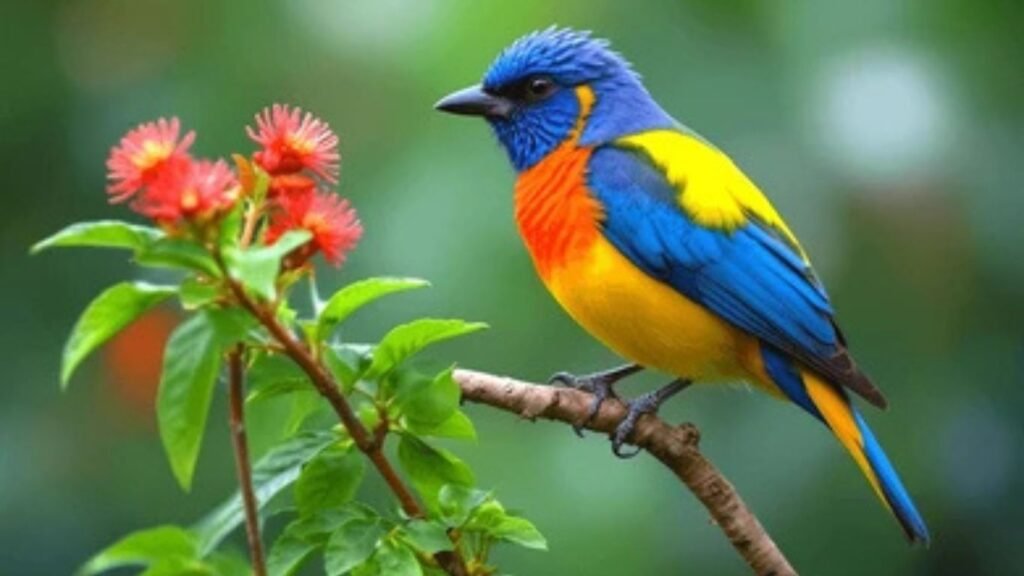
Birds captivate us with their stunning colors, intricate patterns, and graceful movements. From vibrant tropical species to elegant birds of paradise, nature has blessed our world with an array of feathered beauties. The most attractive birds often feature bright plumage, unique features, or eye-catching displays that set them apart.
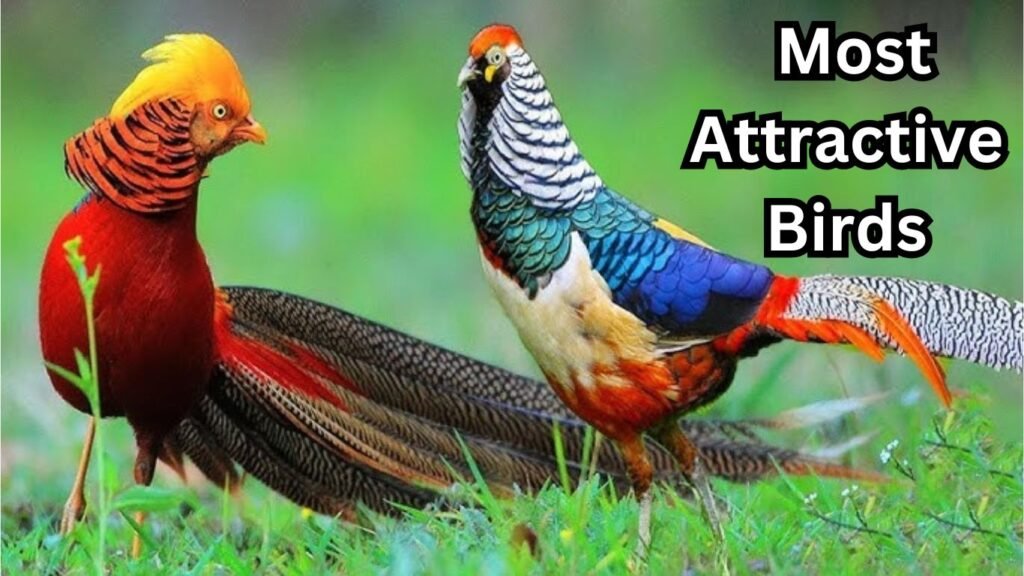
Some of the world’s most beautiful birds include the blue bird-of-paradise, known for its brilliant blue feathers, and the red-crested turaco, with its striking crimson crest. The common kingfisher dazzles with its iridescent blue and orange coloring, while the blue jay stands out with its bold blue, white, and black markings. These avian wonders showcase nature’s artistic flair and remind us of the incredible diversity in the animal kingdom.
Birdwatchers and nature enthusiasts seek out these spectacular creatures, traveling far and wide to catch a glimpse of their beauty. Preserving habitats and protecting endangered species ensures future generations can continue to marvel at the world’s most attractive birds. By appreciating and safeguarding these feathered masterpieces, we honor the natural world’s astounding creativity.
Evolution of Avian Beauty
Birds have developed their stunning looks over millions of years. This process has been driven by two main factors: mate selection and adapting to survive in different environments.
Sexual Selection
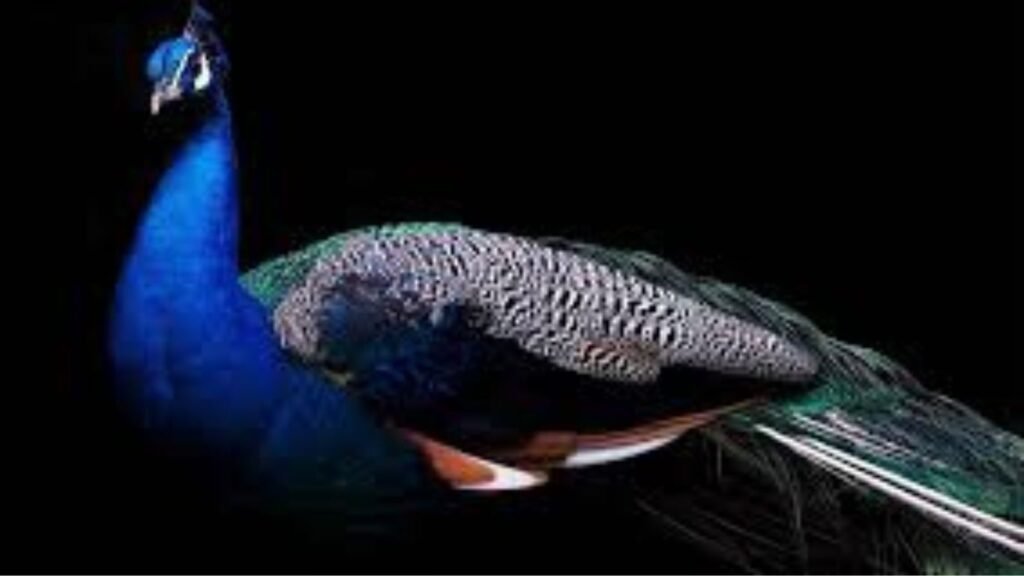
Birds often use their looks to attract mates. Males usually have brighter colors and fancier features. Peacocks are a great example. Their long, colorful tails help them win female attention. Female birds pick mates based on these showy traits. They see them as signs of good genes.
Over time, the most eye-catching males pass on their genes more often. This leads to even more colorful and fancy-looking birds in future generations. Some birds have evolved wild dance routines too. Birds-of-paradise put on amazing shows with bright feathers and odd movements. These displays take lots of energy, so they signal the male is strong and healthy.
Explore our guide to stunning birds with long necks, like the graceful mute swan and the vibrant flamingo, known for their elegance and unique adaptations. Learn more about their habitats, behaviors, and why they captivate bird lovers worldwide.
Survival and Adaptation
Beauty in birds isn’t just for show – it often helps them survive. Many birds use their looks to blend in with their surroundings. This camouflage protects them from predators. The snowy owl’s white feathers help it hide in Arctic snow. Woodpeckers have patterns that match tree bark. Some birds can even change color with the seasons to stay hidden year-round.
Bright colors can also work as warnings. The scarlet macaw’s red feathers tell predators to stay away. They signal the bird might be toxic or hard to catch. In tropical areas, birds tend to be more colorful. This may help them stand out in the dense, green forests where they live. It makes it easier for them to find food and mates in these busy environments.
Iconic Birds of Paradise
Birds of paradise are known for their stunning plumage and elaborate courtship displays. These birds captivate with their vibrant colors and unique feather arrangements.
Raggiana Bird of Paradise
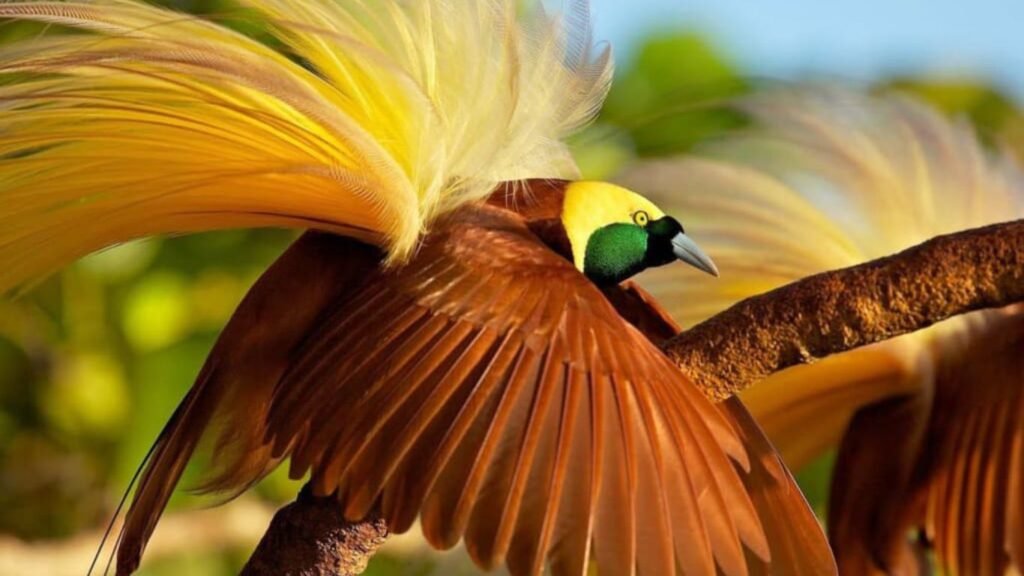
The Raggiana bird of paradise is Papua New Guinea’s national bird. Males have a bright red body, brown wings, and long plume-like feathers. These plumes are yellow-orange and extend from their sides. During mating season, males perform intricate dances.
They spread their plumes into a fan shape and bob up and down on tree branches. This display aims to attract females. Raggiana birds eat mainly fruit and insects. They live in lowland rainforests and hill forests. Their population is currently stable, but habitat loss poses a threat to their future.
Wilson’s Bird of Paradise
Wilson’s bird of paradise is one of the smallest and most colorful species. Males have a bright red back, blue feet, and a turquoise crown. Their most striking feature is a curled tail with two wire-like feathers. These birds are found only on two small islands in Indonesia. Males clear a small area on the forest floor for courtship displays.
They dance and show off their vivid colors to impress females. Wilson’s bird of paradise is rare and not well-studied. Their limited range makes them vulnerable to habitat changes. Conservation efforts focus on protecting their forest homes.
Vibrant Hummingbirds
Hummingbirds dazzle with their bright colors and amazing flying skills. These tiny birds catch the eye with their shimmering feathers and quick movements.
Ruby-Throated Hummingbird
The ruby-throated hummingbird is a small but striking bird. Males have a bright red throat that shines in the sun. Their backs are green, and their bellies are white. These birds can fly backwards and hover in place. They beat their wings up to 80 times per second.
This lets them stay still in the air to drink nectar from flowers. Ruby-throated hummingbirds migrate long distances. They fly non-stop across the Gulf of Mexico. This trip can take up to 20 hours without rest.
Anna’s Hummingbird
Anna’s hummingbirds stand out with their colorful looks. Males have a bright pink head and throat. Their feathers can look red, pink, or green depending on the light.
These birds are known for their sounds. Males sing long, buzzy songs to attract females. They also make a loud chirp with their tail feathers during dives.
Anna’s hummingbirds are tough. They stay in the western U.S. all year, even in cold weather. They can slow down their body processes to save energy on cold nights.
Elegant Swans and Flamingos
Swans and flamingos are known for their grace and beauty. These birds stand out with their long necks, unique shapes, and eye-catching colors.
Mute Swan
Mute swans are large white birds with orange bills and black markings. They live near lakes, ponds, and slow-moving rivers. These birds can weigh up to 30 pounds and have a wingspan of about 7 feet.
Mute swans eat water plants and small water animals. They use their long necks to reach food underwater.
These birds mate for life and build big nests on the ground near water. Both parents take care of their young.
Mute swans are known for their quiet nature. They make soft sounds like hisses or quiet grunts.
People often see mute swans as symbols of love and beauty. They appear in many stories, poems, and works of art.
Greater Flamingo
Greater flamingos are tall, pink birds with long legs and curved necks. They live in warm areas near shallow lakes and lagoons. These birds can grow up to 5 feet tall. Flamingos get their pink color from the food they eat. They feed on tiny water plants and animals. These birds live in large groups called flocks. They often stand on one leg to save energy and stay warm.
Flamingos make nests out of mud. Both parents take turns sitting on the egg and feeding the chick. Greater flamingos are known for their unique way of eating. They turn their heads upside down to filter food from the water with their beaks. These birds can fly long distances. They often move to find new feeding or breeding areas.
Colorful Parrots and Macaws
Parrots and macaws are among the most striking birds in the world. Their vibrant feathers and unique personalities make them stand out. Two species in particular catch the eye with their amazing colors and large size.
Scarlet Macaw
Scarlet macaws are a feast for the eyes. Their feathers are bright red, yellow, and blue. These birds can grow up to 3 feet long from beak to tail tip. They live in the rainforests of Central and South America.
Scarlet macaws eat nuts, fruits, and seeds. Their strong beaks can crack open tough shells with ease. In the wild, they often fly in pairs or small groups. These smart birds can mimic human speech and learn tricks. Many people keep them as pets. But they need lots of space and care to stay healthy.
Hyacinth Macaw
Hyacinth macaws are the largest flying parrots in the world. They have deep blue feathers and yellow rings around their eyes. These giants can reach lengths of 3.3 feet and weigh up to 3.7 pounds. Found in central and eastern South America, hyacinth macaws live in forests and grasslands. They mainly eat palm nuts, which they crack open with their huge beaks.
These birds are very smart and social. They form strong bonds with their mates and can live up to 50 years in the wild. Sadly, they are at risk due to habitat loss and illegal pet trade.
Majestic Birds of Prey
Birds of prey are stunning hunters with powerful beaks and sharp talons. They soar through the skies with grace and strength, capturing the imagination of people worldwide.
Bald Eagle
The bald eagle is a symbol of strength and freedom in the United States. This large raptor has a wingspan of up to 7.5 feet. Adult bald eagles have a white head and tail, with a dark brown body and wings. Bald eagles live near water sources like lakes, rivers, and coasts. They eat mainly fish, but also hunt small mammals and birds.
These eagles are skilled hunters, diving at speeds up to 100 mph to catch prey with their strong talons. Bald eagles build massive nests in tall trees. Their nests can weigh up to a ton and measure 8 feet wide. They often return to the same nest year after year, adding new materials each time.
Peregrine Falcon
Peregrine falcons are known as the fastest animals on Earth. They can reach speeds over 240 mph when diving for prey. These falcons have a blue-gray back, barred white underparts, and a black head with distinctive cheek stripes. Peregrine falcons are found on every continent except Antarctica.
They live in a wide range of habitats, from tundra to deserts. In cities, they nest on tall buildings and hunt pigeons. These falcons mainly eat other birds, which they catch in mid-air. They spot prey from high perches, then dive at incredible speeds. Peregrine falcons strike their target with a clenched foot, stunning or killing it instantly.
Peculiar and Unique Birds
Some birds stand out for their strange looks and habits. These odd creatures catch our eye and spark our interest.
Kiwi
Kiwis are flightless birds native to New Zealand. They have round bodies, tiny wings, and long beaks. Their nostrils sit at the tip of their beaks, helping them sniff out food in the soil.
Kiwis lay huge eggs for their size. A kiwi egg can be up to 20% of the mother’s body weight. That’s like a human having a 30-pound baby!
These birds are nocturnal and shy. They use their strong legs to run and kick at predators. Kiwis eat worms, insects, and fruit. Sadly, they face threats from introduced predators and habitat loss.
Shoebill
The shoebill lives in the swamps of East Africa. It gets its name from its huge, shoe-shaped bill. This bill helps it catch fish, snakes, and even small crocodiles.
Shoebills can grow up to 5 feet tall. They have blue-grey feathers and piercing yellow eyes. These birds often stand still for long periods, waiting for prey.
Shoebills make a strange sound like a machine gun. They clap their bills to greet each other. These birds are hard to spot in the wild due to their small numbers and remote habitat.
Frequently Asked Questions About Most Attractive Birds
What are the most beautiful birds in the world?
Some popular choices include the Golden Pheasant, Bird of Paradise, Peacock, Mandarin Duck, and Hummingbird due to their vibrant plumage and unique behaviors.
Where can you find these beautiful birds in the wild?
Locations vary depending on the species:
- Hummingbirds: Americas, especially tropical rainforests
- Golden Pheasant: Forests of China
- Birds of Paradise: Papua New Guinea
- Peacocks: South Asia
What makes a bird attractive?
Bright and iridescent plumage, elaborate courtship displays, unique shapes, or fascinating behaviors contribute to their allure.
How can I attract beautiful birds to my garden?
Providing native plants, bird feeders, water sources, and a safe habitat can attract colorful species like hummingbirds or blue jays.
Are there critically endangered beautiful birds?
Yes, species like the Kakapo (a flightless parrot from New Zealand) are critically endangered, requiring special conservation efforts.
