
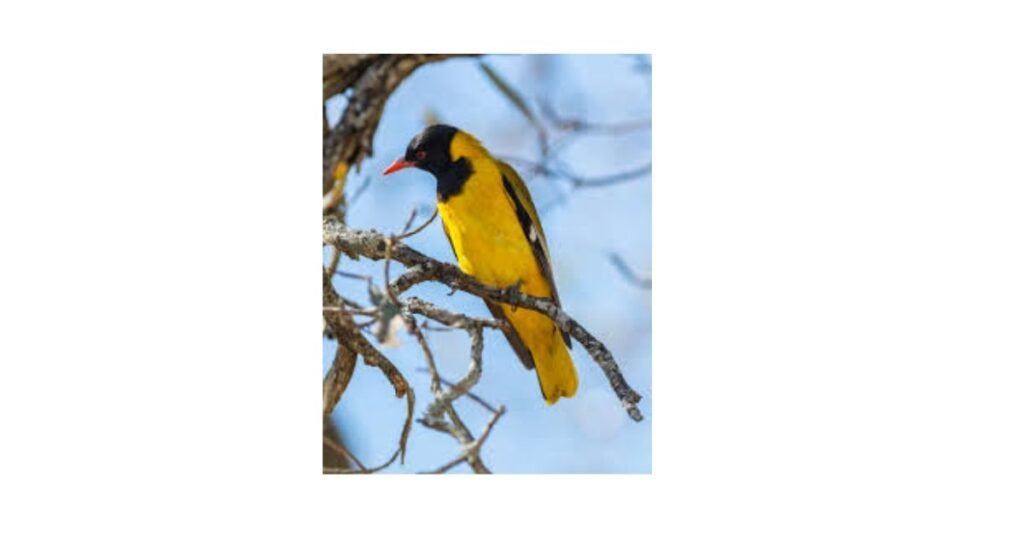
Large yellow bird species are not only eye-catching but play vital roles in ecosystems worldwide. From vibrant goldfinches to exotic pheasants, these birds captivate birdwatchers and environmentalists alike. In this article, we’ll explore their habitats, diets, behaviours, and cultural significance, along with tips for spotting them and contributing to their conservation efforts.
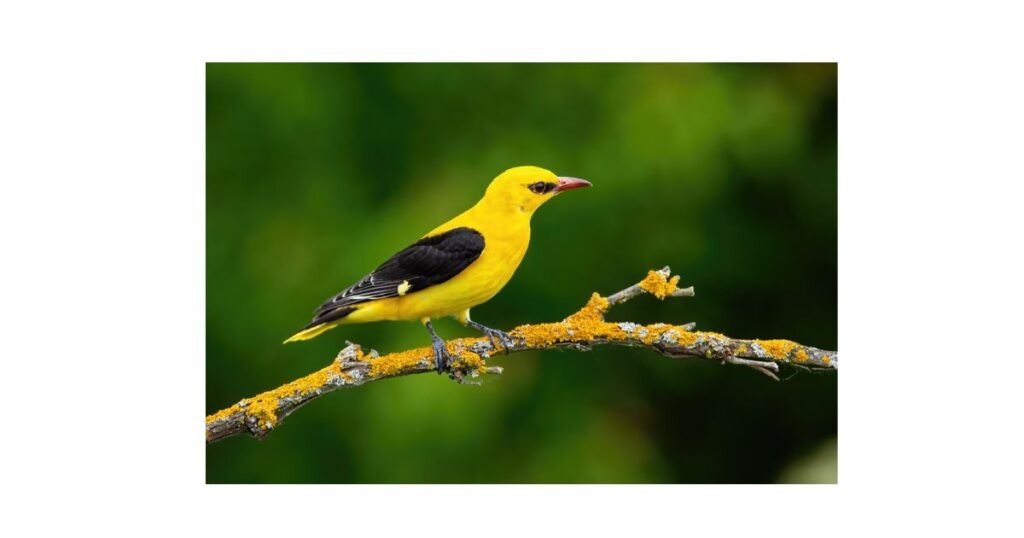
Types of Large Yellow Birds Found Globally
Several bird species are known for their prominent yellow plumage. Here’s a look at some of the most notable ones:
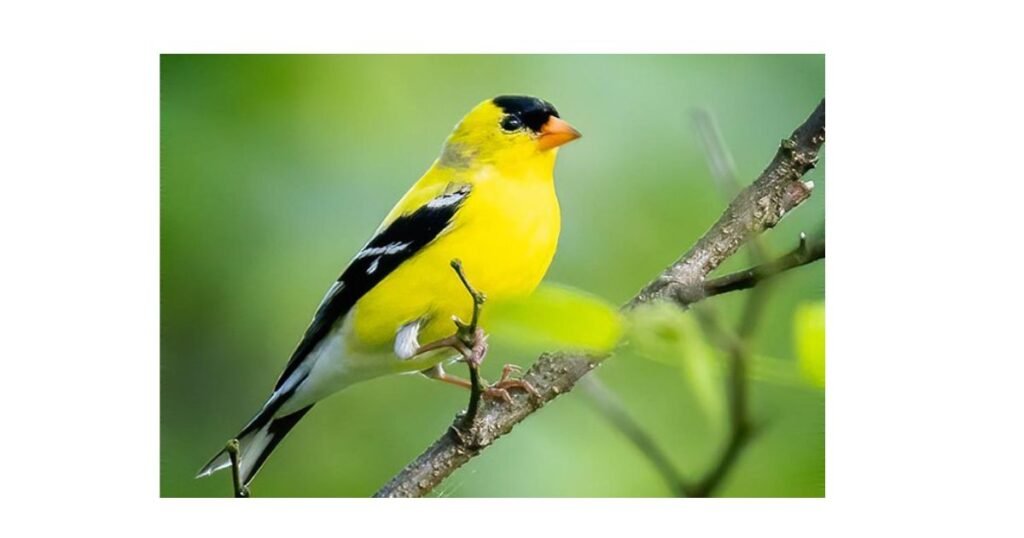
1. American Goldfinch
- Found across North America, especially during summer.
- Males are known for their vibrant yellow feathers during the breeding season, while females are paler.
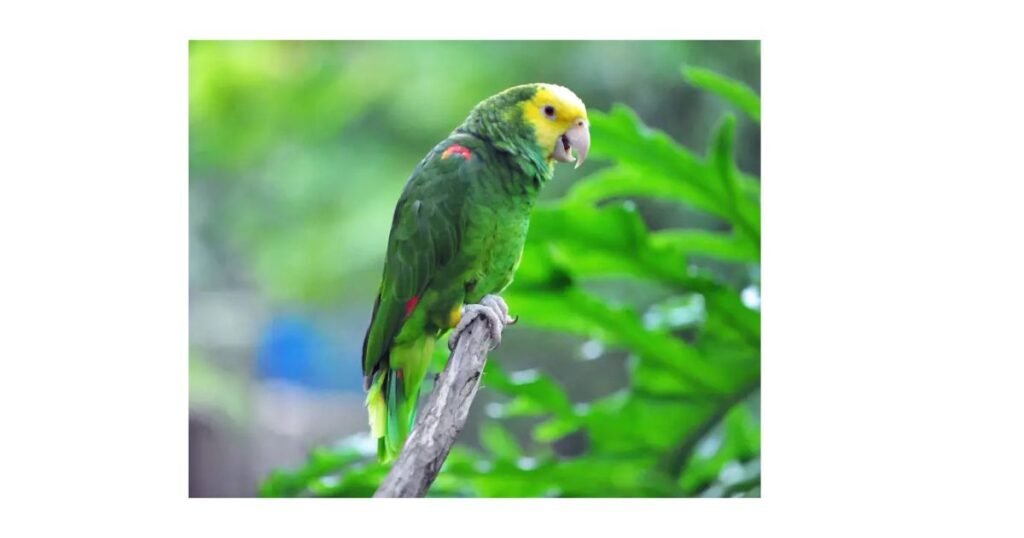
2. Yellow-headed Amazon Parrot
- Native to Central America, it is prized for its bright yellow head and ability to mimic sounds.
- Known for forming lifelong pair bonds.
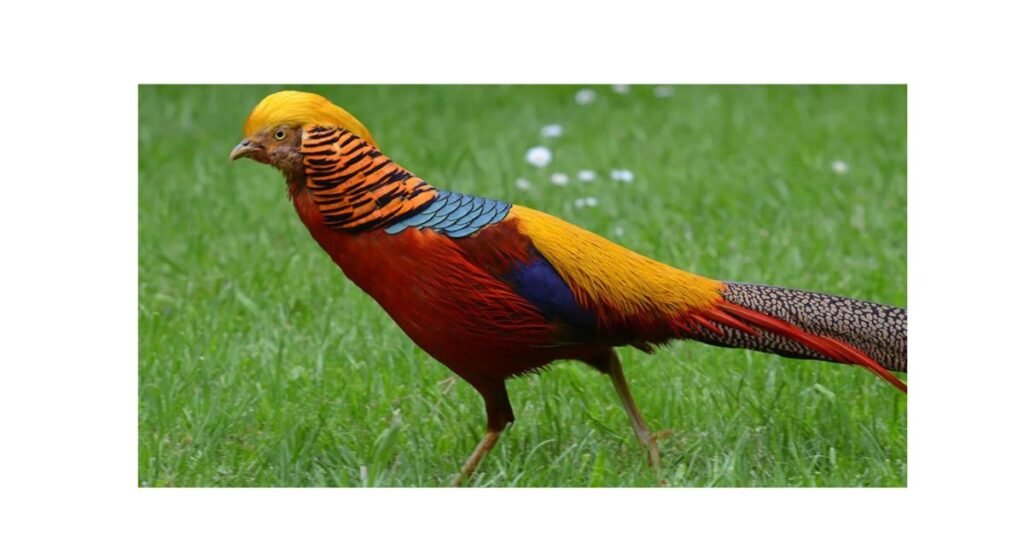
3. Golden Pheasant
- Found in China, these birds feature golden-yellow crests and are kept in aviaries worldwide.
- Symbolises luck and prosperity in Chinese folklore.
4. Yellow-crowned Night Heron
- A large bird is found in wetlands across North and South America.
- Recognizable by its yellow crown and nocturnal hunting habits.
These birds, though diverse in behaviour and habitat, all share the trait of dazzling yellow plumage, setting them apart in their ecosystems.
Physical Characteristics and Unique Features
Large yellow birds vary greatly in terms of size, wingspan, and other physical traits:
- Plumage: Their feathers often change colour depending on the season, with males becoming more vibrant during the breeding season to attract mates.
- Sexual Dimorphism: In many species, males exhibit more striking yellow plumage, while females are duller to blend into their surroundings for protection.
- Flight Patterns: Some, like the golden pheasant, have short, rapid flights, while others, such as herons, glide gracefully.
Natural Habitats: Where Large Yellow Birds Thrive
These birds inhabit a wide range of environments across the globe:
- Tropical Rainforests: Species like the yellow-headed Amazon prefer warm, humid environments.
- Wetlands and Marshes: Yellow-crowned night herons thrive near water, where they hunt at night.
- Open Grasslands and Farmlands: Birds such as the American Goldfinch prefer open fields where seeds are plentiful.
Urbanisation and climate change have forced many species to adapt to new environments, while others have seen declines in population due to habitat loss.
Diet and Feeding Habits
Most large yellow birds are omnivorous, feeding on a combination of seeds, fruits, insects, and nectar.
- American Goldfinch: Primarily eats seeds, with a preference for thistles and sunflowers.
- Yellow-crowned Night Heron: Hunts crustaceans, frogs, and fish.
- Golden Pheasant: Feeds on leaves, seeds, and small insects on forest floors.
These birds play essential roles in their ecosystems by dispersing seeds and controlling insect populations.
Behaviour, Communication, and Migration Patterns
Behaviour
Some large yellow birds are highly social, forming flocks, while others are solitary. For example, yellow-headed Amazons live in pairs or groups and communicate through vocalisations. Goldfinches, on the other hand, are known for their energetic, erratic flight patterns.
Communication
- Vocalizations: Parrots and goldfinches are known for their varied songs and calls, which are used for mating and warning signals.
- Displays: Some species engage in elaborate courtship rituals involving feather displays and dance-like movements.
Migration
Species like the American goldfinch are partially migratory, travelling south during colder months in search of food and warmer climates.
Symbolism and Cultural Significance of Large Yellow Birds
Yellow birds have appeared in folklore, literature, and symbolism across cultures:
- In Chinese culture, the golden pheasant symbolises good fortune and prosperity.
- Native American tribes see yellow birds as harbingers of joy and optimism.
- Western symbolism associates yellow birds with happiness, freedom, and communication.
The bright colour yellow has been used metaphorically to represent sunshine, positivity, and energy, making these birds symbols of hope and joy.
Environmental Impact and Conservation Efforts
Large yellow birds play critical roles in their ecosystems:
- Pollination and Seed Dispersal: Some species help in pollination by feeding on nectar, while others disperse seeds, aiding plant reproduction.
- Insect Control: Birds like night herons keep insect populations in check, contributing to ecological balance.
Threats and Conservation
- Habitat Loss: Deforestation and urbanisation threaten many bird species.
- Climate Change: Changes in temperature and weather patterns disrupt migration and breeding cycles.
- Conservation Efforts:
- Organisations like the Audubon Society work to protect bird habitats.
- Bird sanctuaries and protected reserves provide safe breeding grounds.
Encouraging birdwatching and citizen science initiatives also promotes awareness and conservation.
How to Identify and Spot Large Yellow Birds in the Wild
Birdwatching is a rewarding hobby, especially when it comes to spotting colourful species like yellow birds. Here are some tips:
- Best Time to Spot Birds: Early morning and late afternoon are ideal times.
- Essential Tools: Bring binoculars and a birdwatching app to identify species.
- Locations: Visit wetlands, open fields, or local bird sanctuaries.
Look for behavioural cues such as distinctive calls and flight patterns. The American goldfinch, for instance, has a distinctive bouncy flight that sets it apart from other birds.
Birdwatching and Its Benefits: More Than Just a Hobby
Birdwatching has gained popularity for its numerous psychological and environmental benefits:
- Mental Health Benefits: Observing birds helps reduce stress and promotes mindfulness.
- Connection with Nature: Birdwatching fosters a deeper appreciation for the environment.
- Citizen Science: Many bird watchers contribute to data collection through platforms like eBird, helping scientists monitor bird populations.
Modern technology, such as birdwatching apps and GPS trackers, has made it easier than ever to track bird movements and participate in conservation efforts.
Why do some birds have bright yellow plumage?
Yellow plumage serves multiple purposes, including attracting mates and warning predators. It may also help birds blend into sunlit environments.
Are large yellow birds rare?
Some species, such as the golden pheasant, are rare in the wild, while others, like the American goldfinch, are more common.
What is the largest yellow bird in the world?
The golden pheasant is one of the largest yellow birds, known for its striking golden crest.
How can I attract large yellow birds to my backyard?
You can attract yellow birds by planting native flowers, offering bird feeders with seeds, and providing fresh water sources.
Do large yellow birds migrate?
Yes, some species, such as the American goldfinch, migrate seasonally to warmer climates during winter.
