
Caring for a dying bird requires gentle handling and proper nutrition. When a bird is nearing the end of its life, providing comfort and nourishment becomes crucial. Offer small amounts of soft, easily digestible foods like mashed fruits, cooked eggs, or specialized bird formula using a syringe or dropper. How to Feed a Dying Bird?
It’s important to keep the bird warm and calm in a quiet, dark place. A cardboard box lined with soft towels can serve as a comfortable nest. Clean water should be available in a shallow dish to prevent drowning risks. Remember that dying birds may have limited appetite or ability to eat, so patience is key.
Learning how to clean a bird feeder is essential for maintaining a healthy feeding environment for birds. Regularly wash the feeder with a mixture of hot water and mild soap, scrubbing away any residue or mold. Rinse thoroughly and allow it to dry completely before refilling it with fresh bird food. While feeding is important, avoid forcing food if the bird shows no interest. The main goal is to keep the bird comfortable in its final hours or days. If possible, consult a wildlife rehabilitator or veterinarian for specific advice tailored to the bird’s species and condition.
Understanding the Needs of a Dying Bird
Dying birds have unique needs that require careful attention and care. Recognizing end-of-life signs and assessing a bird’s conditions are key to providing proper comfort and support.
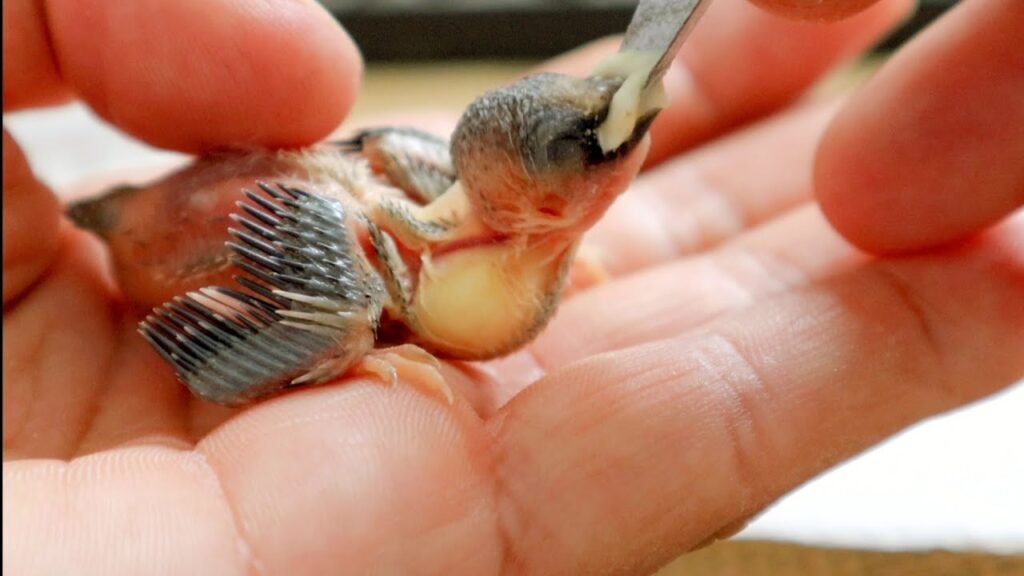
Recognizing End-of-Life Signs
Birds often hide signs of illness until they are very sick. Look for these common signs:
- Fluffed up feathers
- Closed or partly closed eyes
- Lack of movement
- Loss of balance
- Shallow or labored breathing
- Tucked head under wing
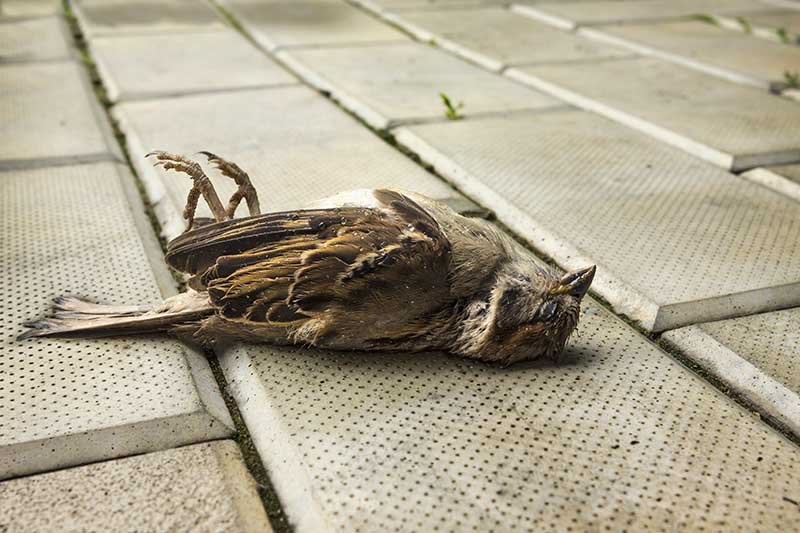
A dying bird may also stop eating and drinking. It might sit at the bottom of its cage if it’s a pet bird. Wild birds may be found on the ground, unable to fly.
Assessing the Bird’s Condition
Check the bird’s overall appearance and behavior. Note its:
- Breathing rate and quality
- Body temperature (feel the feet)
- Response to gentle touch
- Ability to perch or stand
Look for injuries, swelling, or discharge from the eyes or nostrils. Gently feel the bird’s body for lumps or sharp bones sticking out. This can help decide if the bird needs vet care or if comfort measures are best.
Don’t try to force feed or give water if the bird can’t swallow. This can cause choking. Instead, focus on keeping the bird warm and quiet.
Creating a Comfortable Environment
A peaceful setting is key for a dying bird’s comfort.
Focus on warmth and stress reduction to help the bird feel safe and at ease.
Maintaining Warmth
Keep the bird’s space warm but not hot. Use a heating pad on low or a warm water bottle wrapped in a soft cloth. Place it near the bird, not directly under it. This lets the bird move away if needed. Make sure the area is draft-free. Close windows and doors to stop cold air.
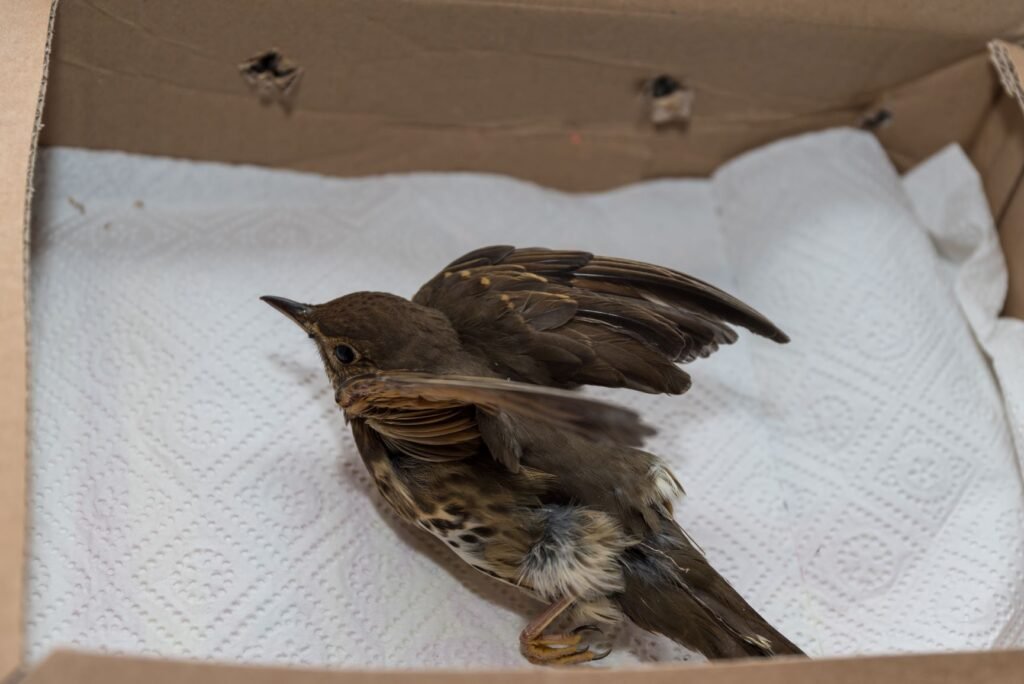
A cardboard box lined with soft towels can work well. Cut small air holes in the sides for ventilation. Check the bird often to make sure it’s not too hot or cold. Signs of overheating include panting or holding wings away from the body. If too cold, the bird may shiver or fluff up its feathers.
Minimizing Stress
Pick a quiet spot away from noise and activity. A spare room or closet can work well. Keep other pets and children away to avoid scaring the bird. Use dim lighting. Bright lights can be harsh on a sick bird’s eyes. A soft night light or natural light from a covered window is best.
Talk softly when near the bird. Gentle sounds can be soothing. Some birds may like soft music or nature sounds played at a low volume. Limit handling to what’s needed for care. When you must move the bird, be very gentle. Support its whole body, including the head and neck.
Nutritional Support
Proper nutrition is vital for a dying bird’s comfort and potential recovery. The right diet and feeding methods can make a big difference in the bird’s quality of life during its final days.
Choosing the Right Diet
For dying birds, soft, easily digestible foods are best. Offer small amounts of mashed fruits like berries or banana. Cooked egg yolk provides protein and nutrients. Commercial bird formulas made for sick birds can also work well. Avoid hard seeds or nuts that may be difficult to eat.
Instead, try soaked seeds or finely chopped greens. Some birds may benefit from liquid foods like diluted fruit juices or electrolyte solutions. Always research the specific dietary needs of the bird species you’re caring for. What works for one type of bird may not be suitable for another.
Feeding Techniques
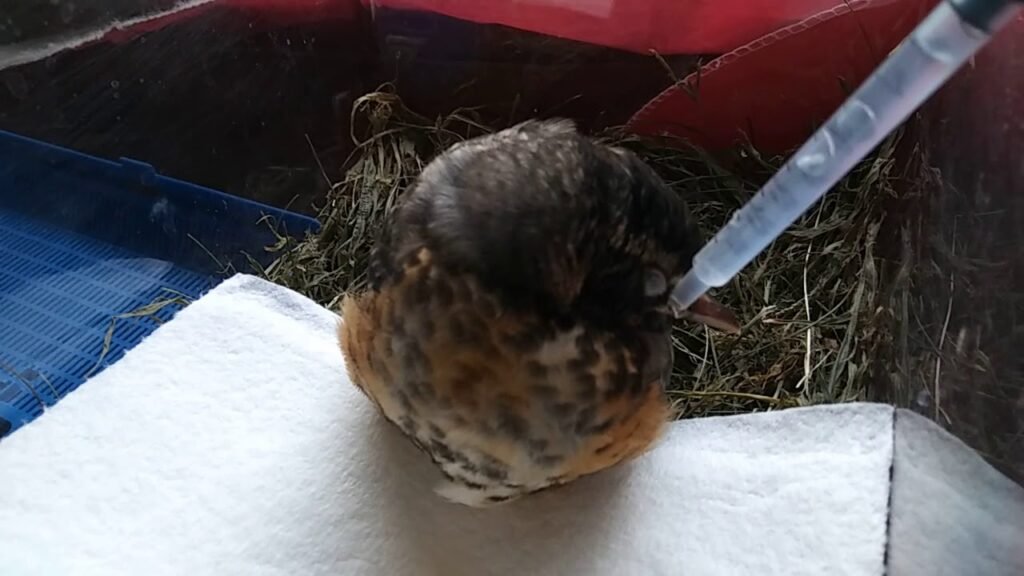
Feed the bird small amounts frequently throughout the day. Use a syringe without a needle or a small spoon to offer liquids and soft foods. Go slowly to prevent choking or aspiration. Keep the bird’s head upright during feeding.
Gently open the beak if needed, but don’t force it. Let the bird swallow naturally between each small bite or sip. Maintain a warm environment, around 90°F (32°C), to help with digestion. Clean feeding tools after each use to prevent infection. Be patient and gentle, as the bird may take time to eat.
Hydration and Fluids
Proper hydration is vital for a dying bird’s survival. Giving water and electrolytes can help stabilize the bird’s condition and support its recovery.
Administering Water
Offer clean, fresh water in a shallow dish to prevent drowning. Replace the water often to avoid contamination. For weak birds, use a small syringe without the needle to give a few drops at a time. Never force liquids down the bird’s throat.
Place the water dish near the bird but not so close that it can fall in. If the bird can’t drink on its own, gently dip its beak in the water. This may stimulate the swallowing reflex. Check for dehydration by gently pinching the bird’s skin. If it stays tented, the bird needs fluids right away.
Electrolyte Balance
Electrolytes help replace lost minerals and aid hydration. Use a bird-specific electrolyte solution or Pedialyte in small amounts. Mix the solution as directed and offer it in place of plain water. Don’t give too much at once – small, frequent doses work best.
For very weak birds, a vet may need to give fluids under the skin. This ensures the bird gets the right amount without risk of choking. Watch for signs of improvement like more alert behavior and better muscle tone. If the bird doesn’t get better, seek expert help fast.
Medicinal Intervention
Proper medication can help ease a dying bird’s pain and improve its quality of life. Giving the right drugs at the correct doses is crucial for the bird’s comfort and well-being.
Understanding Medication Needs
Sick or injured birds often need medicines to fight infections or reduce inflammation. Antibiotics treat bacterial infections, while antifungals combat fungal issues. Anti-inflammatory drugs can ease swelling and pain.
Vitamins and supplements may boost the bird’s immune system. These can include vitamin B complex, calcium, and electrolytes. A vet can prescribe the right mix for each bird’s needs. Giving medicine to birds requires care. Use the correct dosage and method. Some drugs come as liquid drops, while others are pills. Always follow the vet’s instructions closely.
Pain Management
Pain control is key for dying birds. Signs of pain include puffed feathers, closed eyes, and lack of movement. Pain meds can make the bird more comfortable in its final days. Common pain drugs for birds include meloxicam and butorphanol.
These come in liquid form for easy dosing. A vet will figure out the right amount based on the bird’s size and condition. Give pain meds as directed. Too much can harm the bird, while too little won’t help. Keep track of when you give the meds and how the bird responds. Report any changes to the vet right away.
Monitoring and Observation
Keeping track of a dying bird’s condition is key. Regular checks help spot changes and guide care choices.
Keeping Records
Write down what you see each day. Note the bird’s eating habits, how much it drinks, and its droppings. Track its weight if you can safely weigh it. Record any meds given and their effects. Use a simple chart or notebook.
Include dates and times for each entry. This info helps spot trends and can be useful if you need to talk to a vet. Take photos to document changes in the bird’s look. These visual records can show healing or worsening over time.
Watching for Changes
Look for shifts in the bird’s behavior or looks. Check its eyes, feathers, and skin daily. Notice if it’s less active or stops preening. Pay attention to breathing. Fast or labored breaths can mean trouble. Listen for odd sounds like wheezing or clicking.
Watch how the bird sits or stands. Weakness or odd postures might show pain or illness getting worse. Check food and water levels often. A sudden drop or lack of interest in eating is important to note.
Communication with a Veterinarian
Talking to a vet is key for a sick bird’s care. Vets can give expert advice and treatments to help your feathered friend.
When to Seek Help
Call a vet right away if your bird stops eating or drinking. Other signs to watch for are:
- Trouble breathing
- Sitting fluffed up for long periods
- Drooping wings
- Not moving much
- Changes in droppings
Don’t wait if you see these signs. Quick action can make a big difference.
Preparing for the Visit
Before you go to the vet, gather important info about your bird. Write down:
- What and how much your bird has been eating
- Any changes in behavior
- How long symptoms have been present
Bring a recent poop sample if you can. This helps the vet check for health issues. Put your bird in a small, warm carrier for the trip. Cover the carrier to keep your bird calm. Bring any medicines your bird is taking.
Emotional Support and Compassion
Providing emotional support and compassion to a dying bird can help ease its final moments. Gentle care and a calm presence can make a big difference for the bird.
Providing Comfort
Create a quiet, peaceful space for the bird. Use soft lighting and keep noise to a minimum. Speak in a low, soothing voice when near the bird. Gently wrap the bird in a soft cloth or towel. This can help it feel secure.
Keep the bird warm, but not too hot. A heating pad on low can provide comfort. Offer gentle strokes or light touches if the bird seems to respond well. Some birds may prefer not to be touched. Watch for signs of distress and adjust your approach.
Dealing with Loss
Losing a pet bird can be very sad. It’s normal to feel upset or grieve. Take time to process your emotions. Remember the happy times you shared with your bird. Consider having a small memorial or burial ceremony. This can help bring closure. You might plant a tree or flower in memory of your bird.
Reach out to friends, family, or support groups who understand pet loss. Talking about your feelings can help. Some people find comfort in creating a photo album or writing about their bird. If you have other pets, they may also feel the loss. Give them extra attention and care during this time.
Frequently Asked Questions About How to Feed a Dying Bird
What foods are suitable for a dying bird?
Soft, easily digestible foods such as mashed fruits (e.g., banana, berries), cooked egg yolk, or specialized bird formulas can be offered using a syringe or dropper. Avoid hard or large pieces that might cause choking.
Should I force feed a dying bird?
No, it’s important not to force feed if the bird is not interested or unable to eat, as this can cause choking or additional stress. Instead, provide easy-to-eat options and consult a veterinarian for guidance.
How can I make homemade food for a dying bird?
You can prepare a mixture of mashed fruits like banana or berries, or use cooked egg yolk. Additionally, specialized bird formulas are available and can be used according to the instructions provided.
How often should I feed a dying bird?
Offer small amounts of food frequently throughout the day, ensuring not to overfeed. Monitor the bird’s response and adjust the feeding frequency as needed to maintain comfort and prevent stress.
What supplements can help a dying bird?
Electrolyte solutions or vitamins specifically designed for birds can help maintain hydration and provide essential nutrients. It’s best to consult a veterinarian to determine the appropriate supplements for your bird’s condition.
How do I administer food to a dying bird?
Use a syringe without a needle or a small spoon to gently offer the food or liquids. Ensure the bird’s head is upright during feeding to prevent aspiration and reduce the risk of choking.
When should I stop feeding a dying bird?
If the bird shows no interest in eating or drinking, or if feeding causes stress or choking, it’s best to stop and focus on providing comfort and a peaceful environment instead.
Should I provide water to a dying bird?
Yes, ensure that clean, fresh water is available in a shallow dish to prevent drowning risks. For weak birds, offer water using a syringe without a needle to gently administer small amounts.
How to recognize if a bird is dying and needs special feeding?
Signs include lack of movement, fluffed-up feathers, closed eyes, loss of appetite, difficulty breathing, and an inability to perch or stand. Observing these signs can indicate that the bird is nearing the end of its life and may require specialized care.
When to seek professional help for a dying bird?
If the bird exhibits severe signs of distress, illness, or injury, or if you’re unsure how to provide proper care, it’s crucial to consult a wildlife rehabilitator or veterinarian immediately for expert assistance.
