
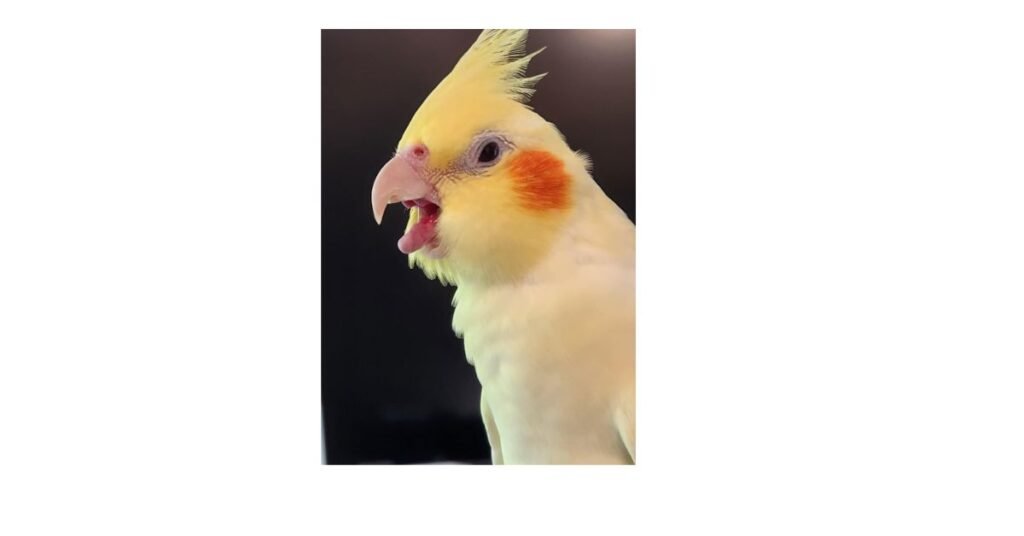
Do birds yawn? This question intrigues bird enthusiasts and researchers alike, as yawning is commonly observed in mammals but remains a mystery among birds. Understanding whether birds yawn—and if so, why—can reveal insights into their behavior, health, and physiology. While some birds exhibit yawning-like actions, it’s still unclear whether these serve the same purposes as yawns in humans and animals. This article dives deep into scientific observations, explores potential triggers like thermoregulation and fatigue, and discusses how bird owners can interpret this fascinating behavior.
What is Yawning? An Overview Across the Animal Kingdom
Yawning is a reflex that typically involves a wide mouth opening, a deep breath intake, and often stretching. In mammals, yawning occurs when someone feels drowsy, bored, or even socially influenced by the yawns of others. Scientists propose multiple reasons for yawning, including:
- Thermoregulation: Cooling the brain through increased blood flow.
- Oxygen regulation: A response to low oxygen levels.
- Social signaling: Especially among primates, yawning communicates emotional or social states like boredom or empathy.
The universality of yawning in mammals suggests it may have evolved for both physiological and social reasons. But does the same apply to birds?
Scientific Observations: Do Birds Yawn?
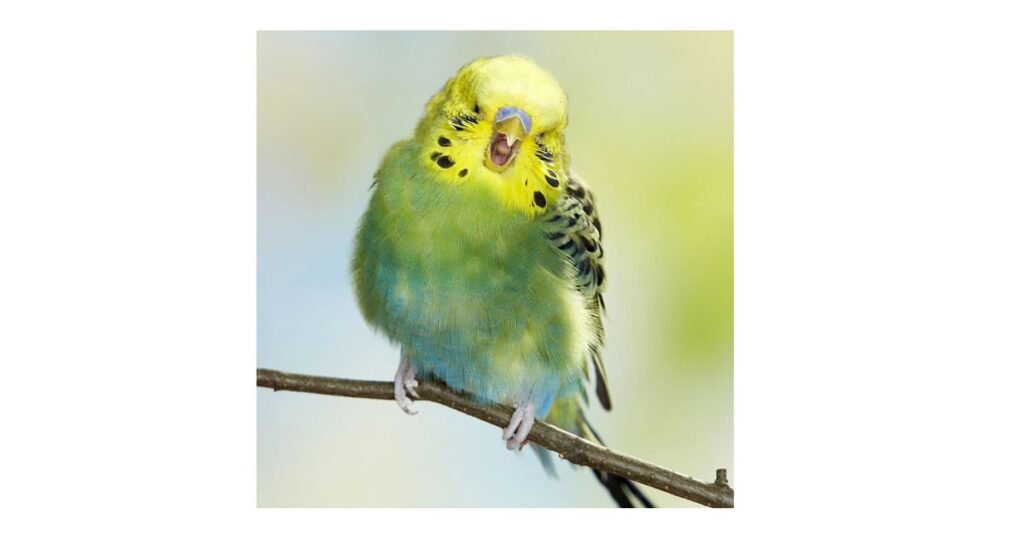
Reports suggest that some bird species exhibit yawning-like behaviors, although scientific studies on bird yawning are limited. Observations by bird owners and ornithologists note that birds occasionally open their beaks wide, often accompanied by head movements resembling mammalian yawning.
However, the challenge lies in determining whether this action is a true yawn (involving involuntary neural responses) or simply another behavior, like stretching or jaw adjustments. Unlike mammals, whose yawning has been studied extensively, bird yawning remains an under-researched phenomenon with room for deeper scientific inquiry.
Potential Reasons Birds Might Yawn (or Appear to Yawn)
While the exact cause of yawning in birds is still debated, several theories suggest why birds may exhibit this behavior:
- Thermoregulation:
Yawning in mammals is known to help cool the brain. Some researchers hypothesize that birds, too, might yawn to regulate their brain or body temperature, especially during hot weather. - Fatigue or Drowsiness:
Birds need rest and often show signs of fatigue through body language. Mouth opening may occur when they’re drowsy, mimicking a yawn. - Social Communication:
Some bird watchers report that yawning-like actions occur in social situations. This raises the possibility that, like mammals, birds might use yawns as a way to communicate relaxation or low threat levels. - Oxygen Intake:
Birds, like mammals, may respond to oxygen deprivation by opening their beaks to increase air intake, though evidence is scarce.
Yawning in Birds vs. Mammals: Key Differences
Although both birds and mammals seem to exhibit yawning behaviors, key physiological and behavioral differences exist:
- Brain Structure Differences:
The mammalian brainstem plays a key role in triggering yawns, but birds have a simpler brain structure. This makes it unclear if bird yawning serves the same neurological function. - Breathing Patterns:
Mammals yawn to regulate oxygen levels, but birds’ respiratory systems are more efficient. Birds have air sacs that allow continuous airflow, reducing the need for deep breaths like yawns. - Social vs. Practical Purpose:
While yawning in mammals often has social significance (e.g., signaling empathy), birds may use mouth movements more for practical reasons, such as feeding preparation or adjusting their beaks.
Species-Specific Yawning Behavior in Birds
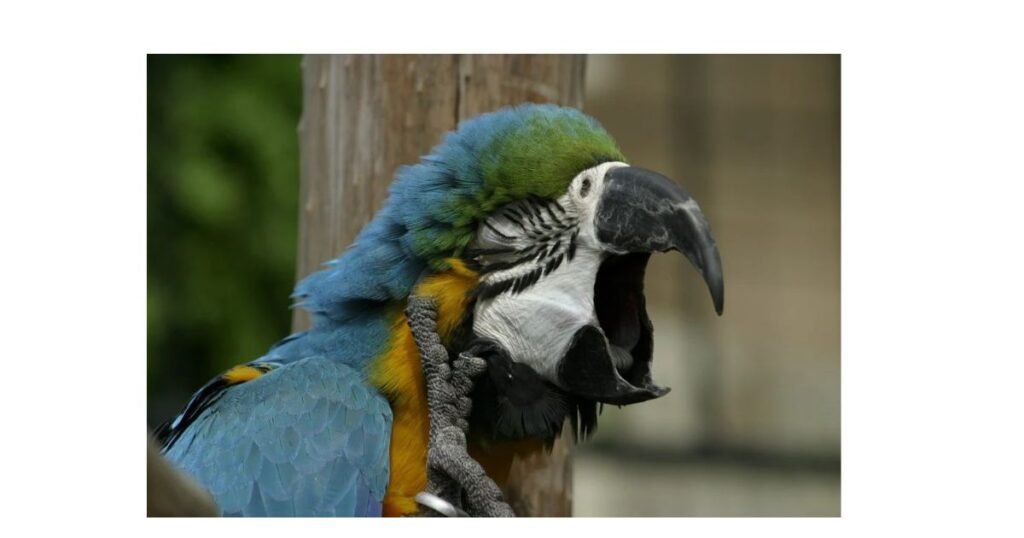
Different bird species may show varying yawning-like actions. Observations suggest:
- Parrots:
Some parrot owners report frequent yawning behavior, especially before bedtime or after stressful events, like interacting with unfamiliar people. - Owls:
Owls sometimes open their mouths wide when they feel comfortable or relaxed, though it’s unclear whether this counts as yawning. - Pigeons:
In pigeons, beak opening is sometimes noted during grooming or social interaction. This could indicate relaxation or a means to release tension.
These observations suggest that while some species display yawning-like behavior, their reasons for doing so may differ across bird types.
Stress, Health, and Yawning in Birds
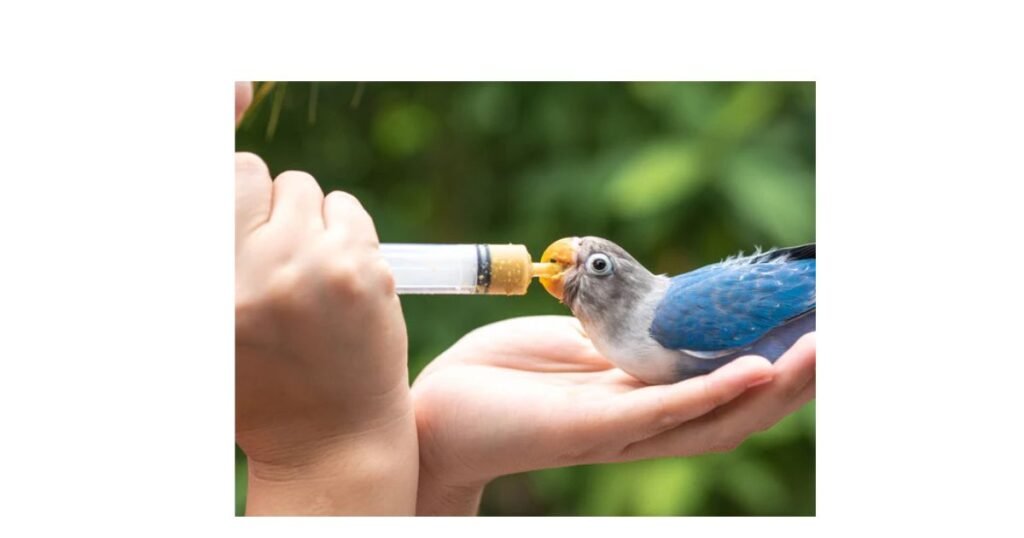
In some cases, what appears to be yawning in birds could signal stress or health issues. Bird owners and researchers need to monitor such behaviors carefully.
- Signs of Stress:
Frequent yawning-like movements may indicate discomfort or anxiety, especially in unfamiliar environments or after being handled excessively. - Health Indicators:
Birds suffering from respiratory problems may open their beaks often to breathe more easily. If a bird appears lethargic and yawns frequently, it could be a sign of illness, and a veterinarian should be consulted. - Yawning and Behavioral Changes:
Unusual mouth movements, accompanied by fluffing of feathers or changes in vocalization, could indicate a health problem. Owners should pay close attention to any behavioral shifts.
Theories and Ongoing Research: What We Still Don’t Know
Bird yawning remains a mystery, and several questions remain unanswered:
- Is yawning a reflex or a learned behavior in birds?
- Do certain environmental conditions increase yawning frequency?
- Could yawning in birds serve a function similar to mammals?
There is significant potential for future research in this area. Scientists could explore brain activity during yawning-like behavior in birds or conduct comparative studies between species that exhibit and those that don’t exhibit such behavior.
Practical Tips for Bird Owners: Understanding Bird Behavior
For bird owners, recognizing whether a bird is yawning or displaying other behaviors can help maintain bird health.
- Differentiating Yawning from Stretching:
Sometimes, birds open their beaks while stretching their wings. Owners should look for additional cues, like head tilting or vocalization, to determine if it’s a yawn. - Monitoring Bird Health:
Frequent mouth opening or yawning, along with changes in activity levels, could indicate stress or illness. Monitor your bird’s behavior closely and consult a vet if needed. - Creating a Relaxing Environment:
Ensure your bird feels comfortable and safe. Stress can increase abnormal behaviors, so minimizing disruptions in their environment is crucial.
Myth vs. Reality: Misconceptions About Bird Yawning
There are several misconceptions about bird yawning:
- Myth: Birds yawn the same way humans do.
- Reality: Birds exhibit similar behaviors, but the triggers and functions might differ.
- Myth: Yawning in birds always indicates fatigue.
- Reality: While fatigue could be a factor, other explanations include temperature regulation and stress management.
- Myth: Frequent yawning in birds is harmless.
- Reality: In some cases, it could indicate a respiratory problem or stress, requiring veterinary attention.
FAQs About Do Birds Yawn
Do birds yawn like humans?
Birds exhibit yawning-like behaviors, but the triggers and purposes may differ from human yawning.
What species of birds yawn the most?
Parrots, owls, and pigeons are among the species observed displaying yawning-like behaviors.
Can yawning indicate that a bird is sick?
Yes, frequent yawning-like actions, especially with other symptoms, can indicate health problems.
Should bird owners be concerned about frequent yawning?
If yawning occurs frequently and is accompanied by lethargy or breathing issues, it’s best to consult a vet.
