Blog

Your blog category

Blog

Азартное учреждение в Интернете продуктивное lev casino зеркало раскрытие

Содержание Нестандартные онлайн -казино эхо Общепринятый путь отражает Риобет отражает Позиция азартных игр демонстрирует Живое эхо онлайн-казино может быть дублирующейся силовой установкой, которая дает такую ​​же функциональность, а также уникальное разнообразие. Тем не менее, он получил эквивалентные игры игр и начинает поддержку клиентов.

what does a dead bird symbolize
Blog

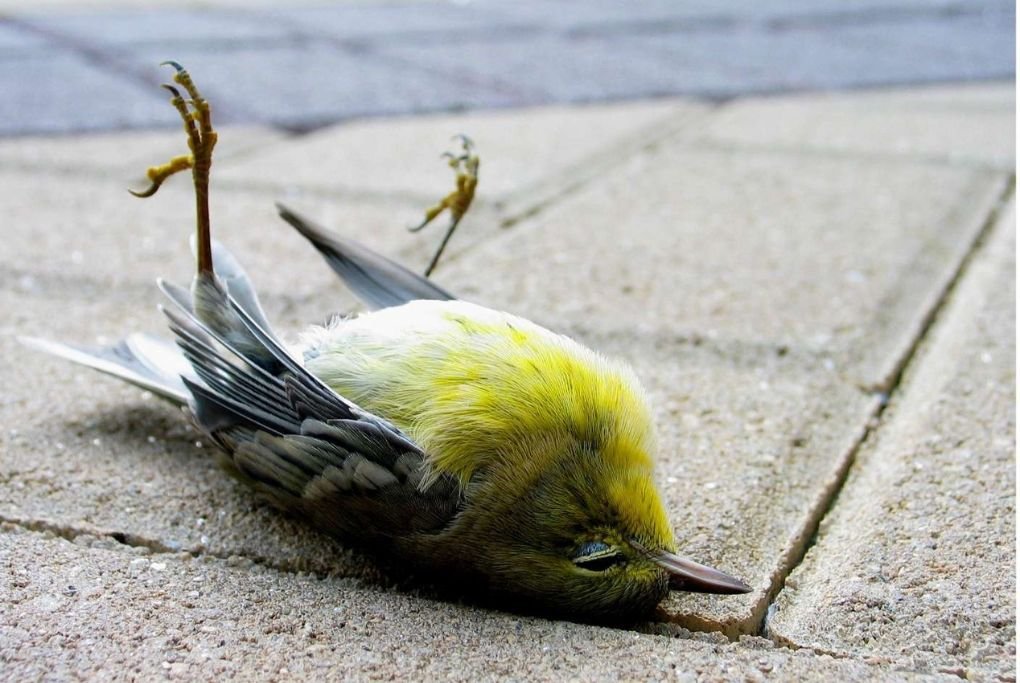
What does a dead bird symbolize: Cultural and Spiritual Meanings

Dead birds often appear in our lives unexpectedly. Their presence can spark curiosity and concern. Many people wonder what message these lifeless creatures might carry. Finding a dead bird can symbolize endings, transformation, and new beginnings. It may represent the closing of one chapter and the start of another. Some view it as a sign from the spiritual realm, conveying messages about life changes or personal growth. Different cultures and belief systems attach varied meanings to dead birds. Some see them as warnings of future challenges, while others interpret them as signs of peace or release. The location and type of bird can also influence its symbolic meaning. Whether found on a doorstep, in a yard, or elsewhere, each scenario may hold unique significance. Understanding The Role Of Birds In Symbolism Birds play a key part in symbolism across cultures. Their ability to fly and link earth to sky gives them special meaning. Dead birds add another layer to this symbolism. General Symbolism Of Birds Birds often represent freedom and the human spirit. Their flight symbolizes the soul’s journey. In many cultures, birds are seen as messengers between humans and the divine. Different birds have specific meanings. Eagles stand for power and vision. Doves symbolize peace and love. Ravens may represent mystery or death. Birds’ songs and calls are thought to carry messages. Their migrations mark the changing seasons. This ties birds to ideas of time and natural cycles. The Contrast Between Living Birds And Dead Birds Living birds are usually linked to positive ideas. They represent life, joy, and new beginnings. A bird in flight can symbolize dreams and aspirations. In contrast, dead birds often symbolize endings or bad omens. They may warn of coming changes or challenges. Some see a dead bird as a sign to be cautious. The stark difference between living and dead birds makes their symbolism powerful. It highlights the fragile nature of life and the sudden impact of death. The Cycle Of Life And Death In Nature Dead birds remind us of nature’s cycles. They show that death is a normal part of life. This can help people accept loss and change. In some views, a dead bird marks the end of one phase and the start of another. It may signal a time for personal growth or transformation. The decay of a dead bird feeds other creatures. This represents how life continues after death. It shows nature’s balance and the connection of all living things. Cultural Interpretations Of Dead Birds Dead birds hold significant symbolic meanings across many cultures. Their interpretations vary widely, ranging from omens of misfortune to signs of spiritual transformation. Ancient folklore, religious beliefs, and modern societal views all contribute to how people perceive the symbolism of dead birds. Symbolism In Different Cultures In Native American traditions, dead birds often signify change or transformation. Some tribes view them as messengers from the spirit world. Chinese culture associates dead birds with bad luck or a warning of danger ahead.In ancient Egyptian beliefs, dead birds represented the soul’s journey to the afterlife. The Egyptians saw birds as spiritual creatures that could travel between worlds. For some African cultures, dead birds are seen as ancestors trying to communicate. They may be viewed as bringing messages or warnings from the spirit realm. In Western cultures, dead birds sometimes symbolize the end of something important. This could be a relationship, a job, or a phase of life. you might find it helpful to read about the seeing baby birds spiritual meaning. Folklore And Myths Involving Dead Birds Many cultures have stories about dead birds. In European folklore, seeing a dead bird might predict a death in the family. Some believed it was bad luck to move a dead bird found on your property. Maritime superstitions warn against harming albatrosses. Sailors thought this would bring misfortune to their voyage. The story of the albatross in “The Rime of the Ancient Mariner” reflects this belief. In some Native American legends, dead birds are seen as spirit guides. They might appear to offer guidance or protection during difficult times. Greek mythology connects certain birds with gods and goddesses. A dead owl, for example, might be seen as a message from Athena, the goddess of wisdom. Modern Interpretations In Various Societies Today, dead birds often spark environmental concerns. They may be seen as indicators of pollution or habitat destruction. This interpretation reflects growing awareness of ecological issues. In urban areas, dead birds might be viewed more practically. They could indicate problems like window collisions or pesticide use. Some cities have programs to study dead birds for public health reasons. Many people still see spiritual meaning in finding dead birds. It might be interpreted as a sign to pay attention to one’s surroundings or life path. Others view it as a reminder of the cycle of life and death. Some modern spiritual practices use dead bird sightings for divination. The type of bird and the circumstances of finding it are considered important factors in interpretation. Exploring Diverse Cultural Views On Dead Birds Dead birds hold different meanings across cultures. Their interpretations vary widely, from positive signs of change to warnings of bad luck. Cultural beliefs and local traditions shape how people view these occurrences. Positive Interpretations Some cultures see dead birds as symbols of transformation and rebirth. In ancient Egypt, the phoenix represented renewal. It rose from its own ashes, starting a new life cycle. Native American tribes often view dead birds as messengers. They believe these creatures carry important information from the spirit world. In some Asian cultures, a dead bird can signal the end of hard times. It may mean that troubles are passing and better days lie ahead. Negative Interpretations Many Western cultures associate dead birds with bad omens or warnings. Finding a dead bird might signal upcoming challenges or misfortune. In some European folklore, dead birds foretell death or disaster. This belief was especially strong during times of plague or war. Certain African traditions see

Blog

Participate in Free online With казино Turbo out Denture

Статьи Просто не получить Нет меню Нет рассрочки Нет ограничений Online video slot video games are easy to enjoy and initiate don’michael ought to have a contemporary strategies or techniques. They use odd variety mills to deliver prospect-in accordance outcomes, along with the exhilaration originated in not to below are a few pursuing. Go through the garishness and commence charisma involving Vegas with no departure household.

Blog

Онлайн -казино игровые автоматы игрового клуба Лев в Интернете от награды

Посты Бонусы без депозита Казино онлайн на вознаграждении. Большинство из них являются наличными, в то время как другие заслуживают выбранных уровней прохождения, если вам нужно начать. Любая терминология каждой награды необходима для понимания.

Blog

Какие интернет NewRetroCasino -казино на веб -бесплатных видео -покерных машинах наслаждаются блюдо?

Контентные статьи Полностью бесплатные вращения Множители Рассеяние символов Rtp Свободные игровые автоматы в Интернете, как правило, играют игры, прыгающими без каких-либо ставок. Ниже названия игр-это весело, как и их точные кузены. Эти люди работают от цифрового кредита и присутствующих участников, чтобы заработать ключ. К счастью, они в безопасности, чтобы изучить рисование, которые хотели бы для видеоигр с научными дисциплинами азартных игр. Кроме того, они имеют множество дополнительных бонусов для нескольких типов игровых автоматов.

How To Clean a Bird Feeder
Blog

How To Clean a Bird Feeder: Quick and Effective Methods

Keeping your bird feeder clean is crucial for the health and well-being of our feathered friends. A dirty feeder can spread diseases among birds and attract unwanted pests. Regular cleaning of bird feeders with mild soap and water or a diluted bleach solution helps prevent the growth of harmful bacteria and mold. Many bird lovers enjoy watching birds visit their feeders but forget about the importance of maintenance. Clean feeders not only protect birds from illness but also make your backyard more inviting for a variety of species. Different types of feeders may need different cleaning methods, but the goal is always the same – to provide a safe and hygienic feeding spot for birds. Cleaning a bird feeder doesn’t have to be a difficult task. With the right tools and a bit of know-how, it can become a simple part of your regular bird-watching routine. By taking care of your feeders, you’re doing your part to support local bird populations and create a thriving backyard ecosystem. Why Should You Clean Your Bird Feeders Regularly? Regularly cleaning your bird feeders is crucial for preventing the spread of diseases among birds, ensuring their health and well-being. Dirty feeders can harbor harmful bacteria, mold, and pests, posing serious risks to birds. Additionally, old and damp food can become moldy and toxic, deterring birds from returning. By keeping feeders clean, you promote a safe feeding environment, maintain fresh food, and help protect the health of your feathered visitors while extending the life of your feeders and preventing unpleasant odors. How to Clean Seed Feeders To clean seed feeders, empty the old seed and disassemble the feeder. Soak it in warm soapy water for 10–15 minutes, then scrub thoroughly with a brush. Rinse well to remove soap, and for extra sanitization, soak in a vinegar solution (1 part vinegar to 9 parts water) or a diluted bleach solution (1 part bleach to 9 parts water). Rinse again and let the feeder dry completely before refilling. Clean feeders at least every two weeks or more often during wet weather or heavy use. If you’re wondering about water safety for birds, such as Can birds Drink pool water, it’s important to ensure that birds only have access to clean, safe water to avoid potential harm. How to Clean Bird Feeders for Sugar Water To keep your hummingbird feeder safe, start by disposing of old nectar and thoroughly washing and rinsing the feeder. Once clean, refilling it with fresh sugar water is essential. Feeders should be replenished with fresh nectar every day and cleaned each time you replace the nectar. Following these steps will ensure your bird feeders remain clean and inviting for the birds. 1. Empty and Rinse the Bird Feeder When cleaning the bird feeder, dispose of any old nectar and always wear gloves when handling the feeder, especially if exposed to wild animals. Rinse the hummingbird feeder thoroughly with water to remove any residue, ensuring a clean and safe environment for the birds. 2. Soak the Feeder in Vinegar Solution To keep your hummingbird feeder clean, soak it in a 50:50 solution of water and white vinegar. Let it sit for a few minutes to sanitize it. Afterward, rinse it thoroughly with clean, running water to ensure it’s safe for the birds. 3. Refill the Feeder To refill the feeder, mix 1 part white refined sugar with 4 parts water as per the Smithsonian’s recipe for hummingbird nectar. Store extra nectar in the refrigerator for easy refilling. After the job is done, wash your hands thoroughly, especially if you didn’t wear work gloves. Benefits of Regular Cleaning Cleaning your bird feeder often helps keep birds healthy and happy. It also makes your feeder more appealing to a wider variety of feathered visitors. Preventing Disease Regular cleaning stops the spread of germs among birds. Dirty feeders can harbor harmful bacteria and mold. These can make birds very sick. Cleaning removes old, wet food that breeds germs. It also gets rid of droppings that collect on feeding surfaces. This cuts down on disease risks. A clean feeder means healthier birds in your yard. It helps protect local bird populations from outbreaks. Experts say to clean feeders at least every two weeks. Clean more often in wet weather or if you see sick birds. Attracting More Birds A clean feeder draws more birds to your yard. Birds prefer fresh food and clean surfaces. They’re more likely to visit a well-kept feeder. Regular cleaning keeps food fresh and tasty. It prevents seed from getting moldy or rancid. Fresh food brings in a wider range of bird species. Clean feeders also look nicer in your yard. This makes bird watching more enjoyable for you. You’ll see more birds and different types when your feeder is clean and inviting. Cleaning lets you check the feeder for damage too. You can fix any issues quickly. This keeps your feeder safe and working well for the birds. Also Read Do Hummingbirds Have Feet? What to Avoid When Cleaning Bird Feeders When cleaning your bird feeder, it’s essential to take care to ensure everything stays safe for your home, your outdoor environs, and most importantly, the birds that enjoy the refreshments. There are key safety precautions to keep in mind. First, always avoid harsh chemicals or cleaners that can harm the birds or damage the feeder. Instead, stick to mild soap and water or a diluted bleach solution. It’s critical to make sure the feeder is well-rinsed to remove all traces of cleaning products. If you’re scrubbing away stuck-on food from seed or suet feeders, use a bottle brush for those hard-to-reach spots. Be careful not to use stiff-bristled, metal brushes, or steel wool scouring pads. These can cause damage to the glass or plastic parts of the feeder. Identifying the Right Time to Clean Keeping bird feeders clean is key for bird health. Regular cleaning prevents the spread of diseases and ensures birds have a safe food source. Seasonal Considerations Spring

Can Birds Eat Cashews
Blog

Can Birds Eat Cashews? Nutty Facts Revealed!

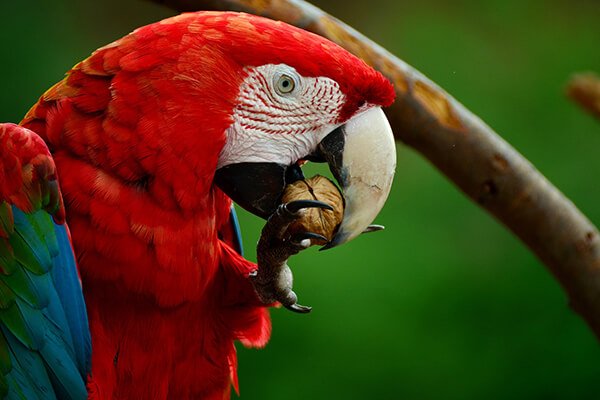
Can Birds Eat Cashews? Find out if cashews are safe for your feathered friends. Learn which birds enjoy them & how to offer them safely.Is it safe to share your snack with your birdie friend? Introduction Birds bring joy to our lives with their songs and colors. But what snacks can we safely share with them? What Are Cashews? Cashews are tasty nuts that many people love. They come from the cashew tree and are full of good stuff. They have vitamins, minerals, and healthy fats. Can Birds Eat Cashews? The answer is yes, but there are things to remember. Not all birds can eat the same foods. Some can have cashews, but some should not. Benefits of Cashews for Birds Risks of Feeding Cashews to Birds How to Feed Cashews to Birds Here’s how to give cashews to your bird safely. Which Birds Can Have Cashews? Bird Type Can Eat Cashews? Parrots Yes, in moderation Canaries No, too fatty Finches No, too large Macaws Yes, they love them Also Read Our Previous Article: List of Birds of Prey Arkansas List of Birds of Dominican Republic Frequently Asked Questions About Can Birds Eat Cashews In short, some birds can eat cashews, but be careful. Always choose the right type of cashew and give in moderation. Now you can enjoy snack time with your feathered friend!

Blog

10 Types of Sparrows in Wisconsin: A Birdwatcher’s Guide

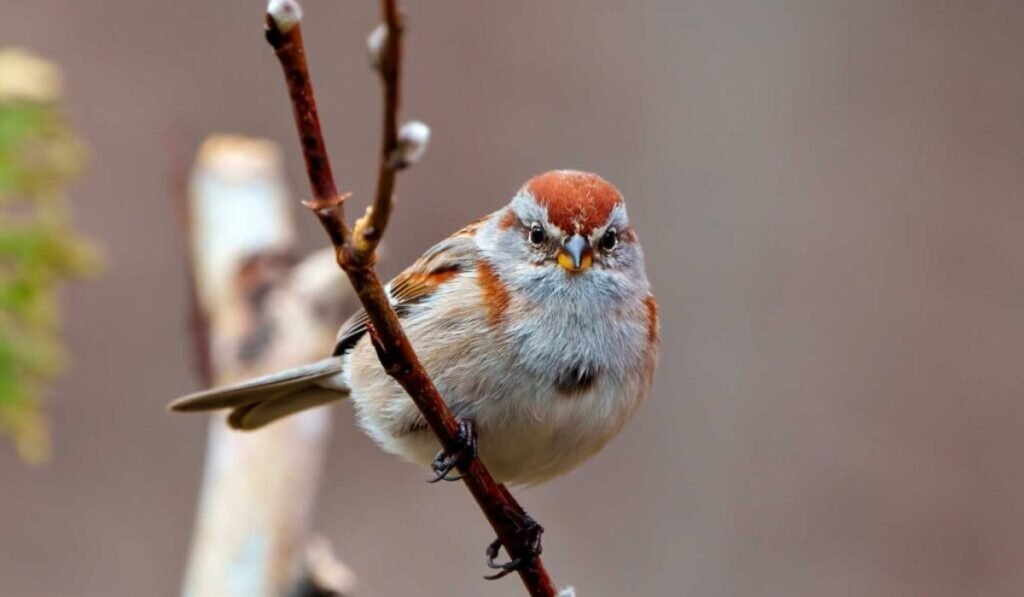
Wisconsin is home to a beautiful variety of sparrows. Let’s learn about them! 1. American Tree Sparrow Identification: They have a rusty cap and a small bill. Habitat: Look for them in brushy areas during winter. 2. Chipping Sparrow Identification: These birds have a striking red cap and clear breast. Habitat: They love open woodlands and parks. 3. Song Sparrow Identification: Notice their streaked feathers and long tail. Habitat: Song Sparrows are often near water or thickets. 4. White-throated Sparrow Identification: They have white throats and yellow spots by the eyes. Habitat: These sparrows like woodlands and garden areas. 5. White-crowned Sparrow Identification: Look for the bold black and white stripes on their heads. Habitat: They are often found in weedy fields and roadsides. 6. Fox Sparrow Identification: Fox swans have thick, rust-colored streaks. Habitat: They prefer dense shrubs and forest edges. 7. Lincoln’s Sparrow Identification: These sparrows have fine, crisp streaks and a buffy wash. Habitat: Look in marshy or wet areas with tall grass. 8. Savannah Sparrow Identification: They show a short tail and yellowish eyebrow. Habitat: Savannah Sparrows favor open fields and grasslands. 9. Field Sparrow Identification: These small sparrows have a pink bill and clear breast. Habitat: Field Sparrows are common in brushy pastures. 10. Vesper Sparrow Identification: Notice the white outer tail feathers when they fly. Habitat: Vesper Sparrows love open country with some grass. Our previous Article: 10 Types Of Eagles In Russia Is Bird Watching a Popular Hobby? Unveiling the Flock Craze — Frequently Asked Questions About 10 Types of Sparrows in Wisconsin

What is the Difference between Birds and Reptiles
Blog

What is the Difference between Birds and Reptiles: Key Insights

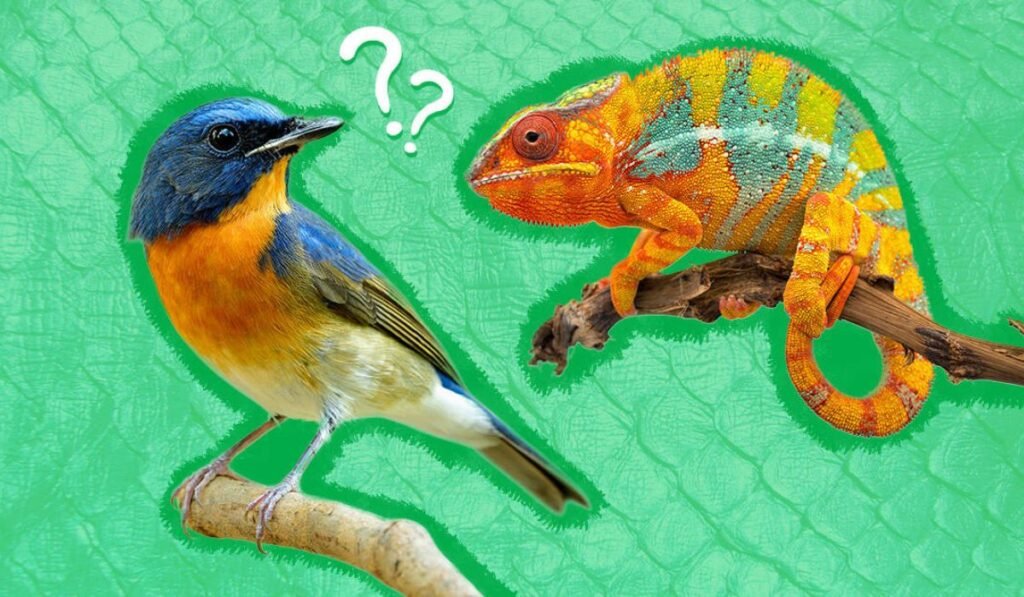
Birds and reptiles are two fascinating groups of animals. They share some similarities but also have many differences. Understanding these differences helps us appreciate their unique characteristics. Basic Differences Birds and reptiles are different in many ways. Here are some of the key differences: Feathers and Scales One major difference is their body covering. Birds have feathers. Feathers help them fly and keep warm. Reptiles have scales. Scales protect them and keep their bodies dry. Warm-blooded vs. Cold-blooded Birds are warm-blooded animals. This means they can keep their body warm. They stay active in cold weather. Reptiles are cold-blooded. They need warmth from the sun. They are less active when it’s cold. Eggs Both birds and reptiles lay eggs. But their eggs are not the same. Bird eggs have hard shells. Reptile eggs often have soft, leathery shells. Habitat Birds live in many places. They can be found in forests, deserts, and even cities. Reptiles prefer warm and humid places. They are often found in deserts, swamps, and forests. Table of Differences Characteristic Birds Reptiles Body Covering Feathers Scales Body Temperature Warm-blooded Cold-blooded Egg Shell Hard Soft/Leathery Habitat Various Warm and humid Behavior and Movement Birds and reptiles also move differently. Birds fly. Their wings and feathers help them. Some birds also walk or swim. Reptiles crawl or slither. Some reptiles, like snakes, have no legs. Others, like lizards, have legs but move close to the ground. Diet Birds and reptiles have different diets. Birds eat seeds, insects, and small animals. Some birds even eat fish. Reptiles eat insects, fish, and small animals. Some reptiles, like crocodiles, eat larger prey. Communication Birds communicate with sounds. They sing and call to each other. Reptiles use body language. They might hiss or make other noises. They also use their body movements to communicate. Interesting Facts Here are some fun facts about birds and reptiles: Also Read Our Previous Article: Shima Enaga Bird Mystique: Unveiling Nature’s Fluffy Gem Birds With Long Beaks: Discover Nature’s Marvels Frequently Asked Questions About What is the Difference between Birds and Reptiles Birds and reptiles are unique in their ways. They have different body coverings, body temperatures, and eggs. They live in various habitats and have different behaviors and diets. Understanding these differences helps us appreciate the diversity of life on Earth.

Black Birds With Mohawk
Blog

Black Birds With Mohawks: Unveiling Nature’s

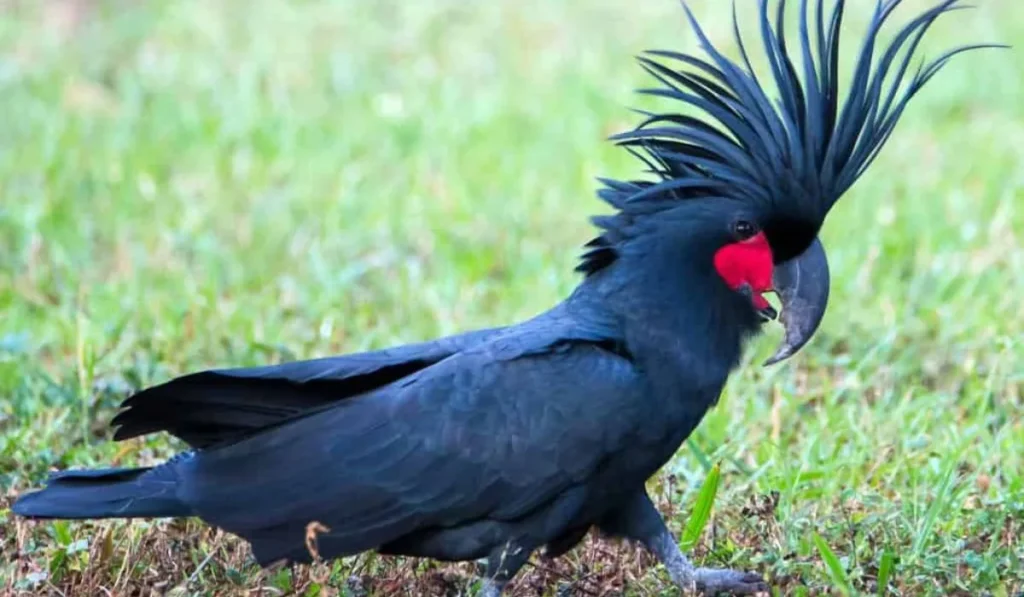
When we think of birds, we often picture them with sleek feathers and soft contours. But some birds break this mould with a distinctive punk-rock look. These are the black birds with mohawks, a group that’s as fascinating as it is visually striking. In this article, we’ll soar into their world and learn about these unique creatures. What Are Mohawk Birds? Mohawk birds are birds with a crest of feathers that resemble a mohawk haircut. The bird raises or lowers this crest, depending on its mood. It’s one of their most charming features. Types of Black Birds With Mohawks Name of Bird Description Habitat Black-Crested Titmouse Small bird with a spiky crest Woodlands in Texas and Oklahoma Royal Flycatcher Long crest, seen when displaying Tropical forests in the Americas Long-Crested Eagle Dramatic and long feathered crest Open woodlands in Africa Palm Cockatoo Large black parrot with bold crest Rainforests in Australia and New Guinea Why Do These Birds Have Mohawks? Mohawks serve different purposes for birds. Some use them to attract mates. Others use them to express fear or excitement. These crests make birds look bigger to scare away enemies too. How to Spot a Mohawk Bird Conservation of Mohawk Birds Like all wildlife, black birds and mohawks need our help to survive. Humans are destroying their homes. We must protect their habitats to keep them safe. We can also support laws that help protect birds. Fun Facts About Black Birds With Mohawks Our Previous Article: Types of Night Birds in Florida: the Nocturnal Wonders — 10 Birds With Big Mouth Wonders Albino Peacock Mystique — Frequently Asked Questions

Scroll to Top