Blog

Your blog category

Blog

Birds Name That Start With E: All You Need To Know

Explore a list of Birds Name That Start With E, featuring exotic species and fascinating facts about each bird. Discover unique avian wonders!Birds are amazing creatures. They come in many shapes and sizes. Today, we will talk about birds that start with the letter E. These birds are unique and interesting. Let’s dive in! 1. Eagle The eagle is a mighty bird. It has a sharp beak and strong claws. Eagles are great hunters. They fly high in the sky. 2. Egret The egret is a tall and graceful bird. It has long legs and a long neck. Egrets are often seen near water. 3. Emu The emu is a large, flightless bird. It is native to Australia. Emus are fast runners and have strong legs. 4. Eastern Bluebird The eastern bluebird is a small and colorful bird. It has bright blue feathers and a reddish chest. These birds are a joy to watch. 5. Eurasian Collared-Dove The Eurasian collared dove is a gentle bird. It has a black collar around its neck. These doves are often seen in cities and towns. 6. Eastern Towhee The eastern towhee is a small songbird. It has black, white, and reddish feathers. Towhees love to scratch the ground for food. 7. Egyptian Goose The Egyptian goose is a large bird. It has striking brown and white feathers. These geese are often found near water. 8. Elegant Tern The elegant tern is a sleek bird. It has a black cap and a long, slender bill. These terns are excellent anglers. 9. Eared Grebe The eared grebe is a small water bird. It has a distinctive black-and-white face. Grebes are excellent swimmers and divers. 10. Emerald Toucanet The emerald toucanet is a colorful bird. It has green feathers and a large, colorful bill. Toucanets are native to Central and South America. Also Read Our Previous Article: Is Bird Watching a Popular Hobby? What is the Difference between Birds and Reptiles Frequently Asked Questions About Birds Name That Start With E Birds that start with the letter E are fascinating. Each bird has unique features and habits. From the mighty eagle to the colorful emerald toucanet, these birds are truly special. Explore and learn more about these amazing creatures!

Blog

Can Birds Eat Walnuts? Nutritional Insights Unveiled

Many bird lovers wonder, “Can birds eat walnuts?” Let’s explore this topic. Are Walnuts Safe for Birds? Yes, walnuts are safe for birds. They offer many benefits. But, there are some risks too. Benefits Of Walnuts For Birds Walnuts are rich in nutrients. Here are some benefits: Risks Of Walnuts For Birds While walnuts are good, there are risks: How to Feed Walnuts to Birds Feeding walnuts to birds is easy. Follow these steps: Preparing Walnuts For Birds Here’s a simple way to prepare walnuts: Which Birds Can Eat Walnuts? Many birds enjoy walnuts. Here are some common ones: Birds That Should Avoid Walnuts Some birds should not eat walnuts: Frequently Asked Questions Question Answer Can baby birds eat walnuts? No, baby birds should not eat walnuts. Can birds eat walnut shells? No, birds should not eat walnut shells. They are too hard. Are roasted walnuts okay for birds? No, birds should eat raw walnuts only. Also Read Our Previous Article: How Often Should You Feed Birds in Summer: Expert Tips Which is Better for Birds Safflower vs Sunflower Seeds Frequently Asked Questions About Can Birds Eat Walnuts So, can birds eat walnuts? Yes, they can! Walnuts are healthy and tasty. Just be careful. Always prepare them right. And never give too many. Your bird will love them!

Blog

When a Cardinal Appears an Angel is near: Divine Signs Unveiled

Witness the wonder: When a Cardinal Appears an Angel is near, connecting you to the spiritual realm. Uncover the meaning behind it. Cardinals are beautiful red birds. They are easy to spot in nature. Their bright color catches your eye quickly.These birds are found in many places. They live in North and South America. Cardinals are loved by many people. Spiritual Meaning of Cardinals Many people believe cardinals have a special meaning. When a cardinal appears, an angel is near. This belief brings comfort to many. Cardinals are seen as messengers from heaven. They bring messages from loved ones who have passed away. This gives people hope and peace. Why Cardinals Are Special Cardinals are unique birds. They do not migrate. This means they stay in one place all year. Seeing a cardinal can feel like a special visit. Cardinals are also very loyal. They often mate for life. This loyalty makes them symbols of faithfulness and love. Stories and Beliefs Many cultures have stories about cardinals. In some stories, cardinals are seen as signs of good luck. In others, they are messages from the divine. People find comfort in these stories. They feel connected to something greater. This connection brings a sense of peace and hope. How to Attract Cardinals to Your Garden You can attract cardinals to your garden. Here are some tips: What to Do When You See a Cardinal Seeing a cardinal can be a special moment. Here are some things you can do: Also Read Our Previous Article: How Often Should You Feed Birds in Summer: Expert Tips Which is Better for Birds Safflower vs Sunflower Seeds Frequently Asked Questions About When a Cardinal Appears an Angel is near Cardinals are beautiful and special birds. Many believe they bring messages from angels. This belief brings comfort and peace. When you see a cardinal, take a moment to feel the connection. Know that an angel may be near, bringing love and hope.

Blog

List of Birds of Philippines: Discover Feathered Gems

Discover a comprehensive List of Birds of Philippines, featuring diverse species found in this tropical paradise. Explore their beauty and uniqueness! The Philippines is a tropical paradise. It is home to many unique birds. Here are some amazing birds you can find in the Philippines. Philippine Eagle The Philippine Eagle is also known as the Monkey-eating Eagle. It is the national bird of the Philippines. This bird is very powerful and large. It has a wingspan of up to 7 feet! Palawan Peacock-Pheasant The Palawan Peacock-Pheasant is a beautiful bird. It has bright blue and green feathers. This bird lives only on the island of Palawan. Philippine Hornbill The Philippine Hornbill has a large bill. It helps them eat fruits and small animals. They are very social birds. They can be seen in groups in the forest. Philippine Duck The Philippine Duck is brown and black. It can be found in lakes and rivers. This duck is very good at diving for food. Philippine Trogon The Philippine Trogon is a colorful bird. It has a red belly and a greenback. They live in forests and eat insects and fruits. Philippine Pitta The Philippine Pitta is a small bird. It has a bright red belly and blue wings. This bird is very shy and hard to find. Philippine Falconet The Philippine Falconet is one of the smallest birds of prey. It is only about 6 inches tall. They eat insects and small animals. Philippine Scops Owl The Philippine Scops Owl is a small owl. It has brown feathers and big eyes. This owl hunts at night for insects and small animals. Philippine Sunbird The Philippine Sunbird is a tiny bird. It has bright yellow and green feathers. They love to drink nectar from flowers. Philippine Bulbul The Philippine Bulbul is a common bird. It has a brown body and a white chest. They are very good singers. Philippine Hawk-Eagle The Philippine Hawk-Eagle is a powerful bird. It has a sharp beak and strong claws. They hunt for small animals in the forest. Also Read Our Previous Article: which is better for bird-watching binoculars or monoculars? How Do You Know If Birds are Going to Build a Nest Frequently Asked Questions About List of Birds of Philippines The Philippines has many unique and beautiful birds. Each bird has its special features. Birdwatching in the Philippines is a wonderful experience. Bird Name Special Feature Philippine Eagle Large wingspan, powerful Palawan Peacock-Pheasant Bright blue and green feathers Philippine Hornbill Large bill, social Philippine Duck Brown and black, good at diving Philippine Trogon Redbelly, greenback Philippine Pitta Bright red belly, blue wings Philippine Falconet Smallest bird of prey Philippine Scops Owl Brown feathers, big eyes Philippine Sunbird Bright yellow and green feathers Philippine Bulbul Good singer, a brown body Philippine Hawk-Eagle Sharp beak, strong claws

Blog

Do Birds Yawn? Exploring the Science and Behavior

Do birds yawn? This question intrigues bird enthusiasts and researchers alike, as yawning is commonly observed in mammals but remains a mystery among birds. Understanding whether birds yawn—and if so, why—can reveal insights into their behavior, health, and physiology. While some birds exhibit yawning-like actions, it’s still unclear whether these serve the same purposes as yawns in humans and animals. This article dives deep into scientific observations, explores potential triggers like thermoregulation and fatigue, and discusses how bird owners can interpret this fascinating behavior. What is Yawning? An Overview Across the Animal Kingdom Yawning is a reflex that typically involves a wide mouth opening, a deep breath intake, and often stretching. In mammals, yawning occurs when someone feels drowsy, bored, or even socially influenced by the yawns of others. Scientists propose multiple reasons for yawning, including: The universality of yawning in mammals suggests it may have evolved for both physiological and social reasons. But does the same apply to birds? Scientific Observations: Do Birds Yawn? Reports suggest that some bird species exhibit yawning-like behaviors, although scientific studies on bird yawning are limited. Observations by bird owners and ornithologists note that birds occasionally open their beaks wide, often accompanied by head movements resembling mammalian yawning. However, the challenge lies in determining whether this action is a true yawn (involving involuntary neural responses) or simply another behavior, like stretching or jaw adjustments. Unlike mammals, whose yawning has been studied extensively, bird yawning remains an under-researched phenomenon with room for deeper scientific inquiry. Potential Reasons Birds Might Yawn (or Appear to Yawn) While the exact cause of yawning in birds is still debated, several theories suggest why birds may exhibit this behavior: Yawning in Birds vs. Mammals: Key Differences Although both birds and mammals seem to exhibit yawning behaviors, key physiological and behavioral differences exist: Species-Specific Yawning Behavior in Birds Different bird species may show varying yawning-like actions. Observations suggest: These observations suggest that while some species display yawning-like behavior, their reasons for doing so may differ across bird types. Stress, Health, and Yawning in Birds In some cases, what appears to be yawning in birds could signal stress or health issues. Bird owners and researchers need to monitor such behaviors carefully. Theories and Ongoing Research: What We Still Don’t Know Bird yawning remains a mystery, and several questions remain unanswered: There is significant potential for future research in this area. Scientists could explore brain activity during yawning-like behavior in birds or conduct comparative studies between species that exhibit and those that don’t exhibit such behavior. Practical Tips for Bird Owners: Understanding Bird Behavior For bird owners, recognizing whether a bird is yawning or displaying other behaviors can help maintain bird health. Myth vs. Reality: Misconceptions About Bird Yawning There are several misconceptions about bird yawning: FAQs About Do Birds Yawn

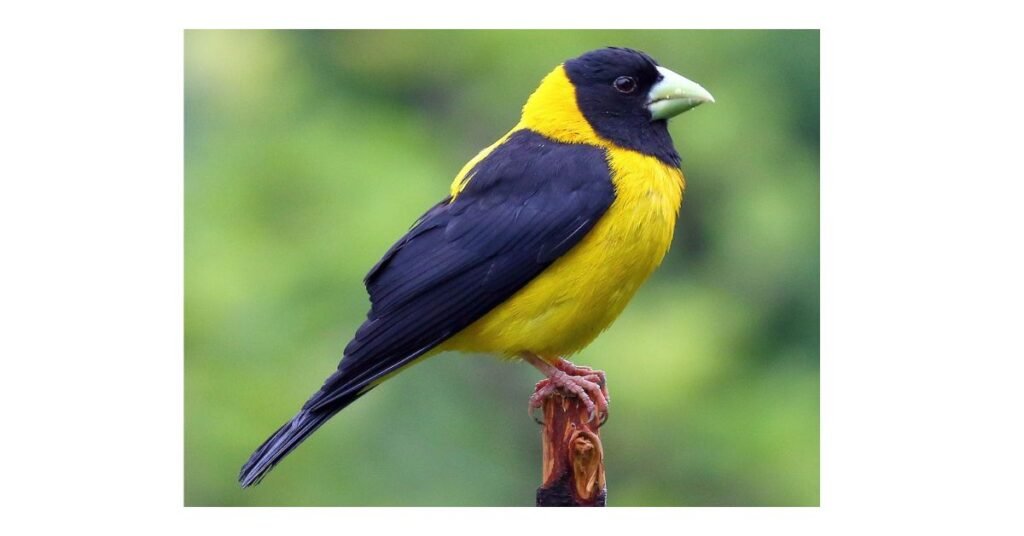
Birds That Are Yellow and Black
Blog

Birds That Are Yellow and Black: A Fascinating Guide

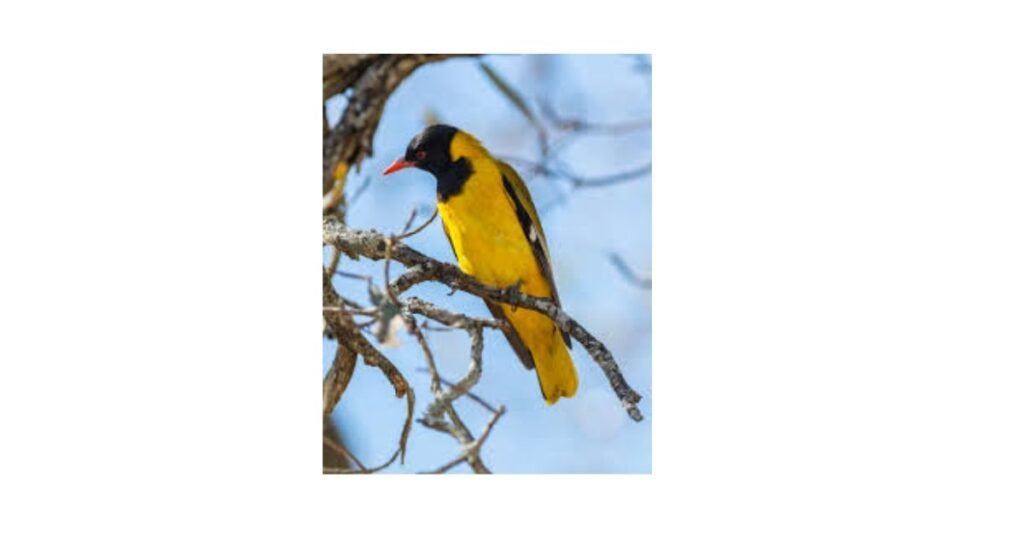
Birds with yellow and black plumage are a striking sight. Their vibrant colors, often associated with sunlight and mystery, captivate birdwatchers and nature lovers worldwide. From songbirds like the American Goldfinch to exotic weavers of Africa, these birds are not only beautiful but also play important roles in their ecosystems. In this article, we will explore some of the most famous yellow and black bird species, their habitats, behaviors, ecological roles, and how to identify them. Whether you’re a passionate birder or just starting, this guide will provide you with all the essential information to appreciate and protect these magnificent creatures. Top Yellow and Black Birds: Species and Characteristics The Science of Yellow and Black Pigmentation Bird pigmentation results from two main sources: carotenoids and melanin. The combination of yellow and black in a bird’s plumage often has evolutionary benefits, including camouflage, communication, and attracting mates. Habitats and Migration Patterns Migration Patterns Some of these birds migrate seasonally to follow food sources. For example, Baltimore Orioles travel from North America to Central and South America for the winter, while American Goldfinches move southward within the United States. Behavior and Communication These behaviors not only serve reproductive purposes but also help birds establish territories and communicate with their flock. Ecological Role and Importance Yellow and black birds play crucial roles in maintaining ecological balance: Their presence in ecosystems is often an indicator of environmental health, as they are sensitive to habitat changes and pollution levels. Tips for Birdwatching: How to Spot Yellow and Black Birds Birdwatching is both a rewarding hobby and a way to contribute to conservation efforts. Here are some tips to help you spot yellow and black birds: Best Seasons and Locations Recommended Gear Identification Tips Threats and Conservation Efforts Yellow and black birds face various challenges, including: Conservation Programs Organizations like the Audubon Society and BirdLife International are working to protect bird habitats through reforestation and wetland preservation. Citizen science initiatives encourage birdwatchers to contribute sightings to databases, helping track bird populations and migration patterns. You can help by: Fascinating Facts About Yellow and Black Birds These birds are full of surprises, making them fascinating subjects for both casual observers and dedicated bird enthusiasts. Frequently Asked Questions About Birds That Are Yellow and Black

large yellow bird
Blog

Large Yellow Birds: Nature’s Brightest Wonders Explained

Large yellow bird species are not only eye-catching but play vital roles in ecosystems worldwide. From vibrant goldfinches to exotic pheasants, these birds captivate birdwatchers and environmentalists alike. In this article, we’ll explore their habitats, diets, behaviours, and cultural significance, along with tips for spotting them and contributing to their conservation efforts. Types of Large Yellow Birds Found Globally Several bird species are known for their prominent yellow plumage. Here’s a look at some of the most notable ones: 1. American Goldfinch 2. Yellow-headed Amazon Parrot 3. Golden Pheasant 4. Yellow-crowned Night Heron These birds, though diverse in behaviour and habitat, all share the trait of dazzling yellow plumage, setting them apart in their ecosystems. Physical Characteristics and Unique Features Large yellow birds vary greatly in terms of size, wingspan, and other physical traits: Natural Habitats: Where Large Yellow Birds Thrive These birds inhabit a wide range of environments across the globe: Urbanisation and climate change have forced many species to adapt to new environments, while others have seen declines in population due to habitat loss. Diet and Feeding Habits Most large yellow birds are omnivorous, feeding on a combination of seeds, fruits, insects, and nectar. These birds play essential roles in their ecosystems by dispersing seeds and controlling insect populations. Behaviour, Communication, and Migration Patterns Behaviour Some large yellow birds are highly social, forming flocks, while others are solitary. For example, yellow-headed Amazons live in pairs or groups and communicate through vocalisations. Goldfinches, on the other hand, are known for their energetic, erratic flight patterns. Communication Migration Species like the American goldfinch are partially migratory, travelling south during colder months in search of food and warmer climates. Symbolism and Cultural Significance of Large Yellow Birds Yellow birds have appeared in folklore, literature, and symbolism across cultures: The bright colour yellow has been used metaphorically to represent sunshine, positivity, and energy, making these birds symbols of hope and joy. Environmental Impact and Conservation Efforts Large yellow birds play critical roles in their ecosystems: Threats and Conservation Encouraging birdwatching and citizen science initiatives also promotes awareness and conservation. How to Identify and Spot Large Yellow Birds in the Wild Birdwatching is a rewarding hobby, especially when it comes to spotting colourful species like yellow birds. Here are some tips: Look for behavioural cues such as distinctive calls and flight patterns. The American goldfinch, for instance, has a distinctive bouncy flight that sets it apart from other birds. Birdwatching and Its Benefits: More Than Just a Hobby Birdwatching has gained popularity for its numerous psychological and environmental benefits: Modern technology, such as birdwatching apps and GPS trackers, has made it easier than ever to track bird movements and participate in conservation efforts.

Blog

Meaning of Yellow Birds: Symbolism and Cultural Significance

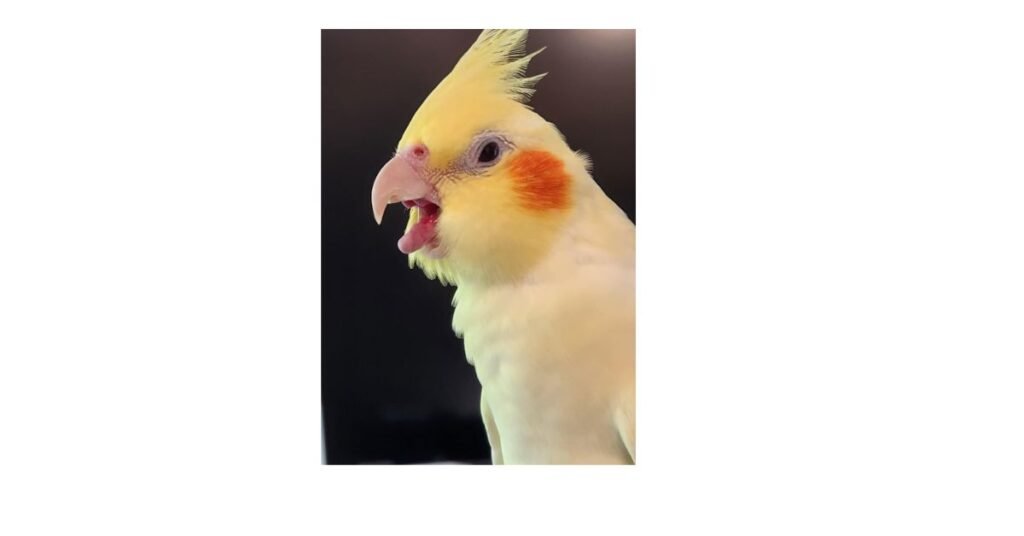
When you see a yellow bird, it often brings a sense of joy and optimism. These vibrant creatures are seen as symbols of happiness and good luck in many cultures. The sight of a yellow bird is often believed to be a message from the universe, symbolizing hope, clarity, and spiritual growth. Yellow birds, with their bright and cheerful color, encourage you to embrace positivity. They act as reminders to clear your mind of any negativity and embrace a brighter outlook on life. In certain traditions, these birds may even be seen as messengers from the spirit world, offering guidance and encouragement. The color yellow is also associated with intelligence and clarity. If a yellow bird catches your attention, it might be a prompt to trust your intuition and seek insight in areas that feel uncertain. Seeing a yellow bird could be a sign to open yourself to new beginnings and let go of the past. Cultural and Spiritual Significance Yellow birds hold special meanings in both Native American tribes and various cultures worldwide. They are often seen as symbols of joy, happiness, and insight across different societies. In Native American Tribes In Native American cultures, birds are frequently regarded as messengers from the spirit world. Yellow birds, in particular, are seen as symbols of joy and positive energy. Each tribe may interpret them differently, but they are generally associated with happiness and prosperity. For example, in certain tribes, sighting a yellow bird might be a sign of upcoming celebrations or good fortune. These birds are sometimes believed to carry messages from ancestors or spirits. Their presence could encourage you to let go of worries and embrace joy. They also serve as reminders to focus on the brighter side of life and seek understanding in difficult times. Native American spiritual beliefs often connect the physical and spiritual worlds, and yellow birds play a role in this complex system. Across Various Cultures Different cultures around the world also assign spiritual importance to yellow birds. In Chinese culture, yellow birds like canaries are thought to symbolize good luck and prosperity. Their bright color is linked with the sun, light, and energy, thus representing positivity and awakenings. In Western beliefs, yellow birds often symbolize fresh beginnings and happiness. Some view them as guides leading you towards clarity and wisdom. Their cheerful nature is said to inspire optimistic outlooks and dispel negative emotions. Across these varied cultural landscapes, yellow birds continue to be cherished for their uplifting spirit and symbolic meanings. Symbolism and Interpretation Yellow birds often carry rich meanings tied to joy and personal growth. They symbolize new beginnings and radiate positivity. In dreams, these birds can offer insight into your subconscious and spiritual deepening. Yellow Bird Symbolism Yellow birds are vibrant symbols of joy and happiness. Their bright color and lively presence often symbolize positive energy and hope. Across various cultures, these birds are seen as emblems of renewal and transformation. For instance, in Native American cultures, yellow birds are symbols of change and new beginnings, often representing personal growth and transformation. Similarly, in Christianity, they are associated with hope and renewal, embodying a message of optimism and joy. For personal growth, yellow birds encourage you to embrace positivity. Seeing a yellow bird might remind you to focus on spreading joy and approaching life with a fresh outlook. Incorporating the imagery of yellow birds into your environment can enhance a sense of positivity and well-being. Pictures or decor featuring these birds can act as daily reminders of happiness and encouragement. Yellow Bird in Dreams Dreaming of a yellow bird can have spiritual and emotional meanings. It might indicate a time of joy or a phase of positive change approaching in your life. In dreams, yellow birds can symbolize optimism and the start of something new. Yellow birds in dreams might also represent an awakening or period of enlightenment. If you encounter one, it could suggest that you are ready for personal or spiritual growth. Such dreams can inspire you to open up to new possibilities and approach challenges with a hopeful mindset. Understanding these dream interpretations can help you connect with your subconscious desires and spiritual needs, providing guidance in your personal journey. Associations with Emotions and Qualities Yellow birds are often linked to feelings of joy and warmth. Their bright color and cheerful presence can uplift your mood and even symbolize positive traits such as happiness and prosperity in different cultures. Connotations of Joy and Positivity When you see yellow birds, they often represent joy and positivity. These birds, with their lively plumage, symbolize good fortune and optimistic energy. In many cultures, a yellow bird is a messenger of happiness, carrying cheerful vibes wherever it goes. The presence of yellow birds can signal a time of celebration or success. Their vibrant appearance serves as a reminder of the joy in life, encouraging you to embrace moments of happiness. Many people associate the sight of a yellow bird with good news or uplifting energy that brings a sense of lightness and hope. This ties them to positive emotions, emphasizing the joys of life. The Color Yellow in Bird Plumage The color yellow on a bird’s plumage can have significant meanings. In the natural world, vibrant colors like yellow catch your eye and represent warmth and positivity. These bright hues often signal a time of change or renewal, much like how spring brings new beginnings. Yellow feathers can be seen as a symbol of individuality and standing out from the crowd, embodying traits of personal growth and transformation. In some spiritual contexts, the yellow color of a bird can also be linked to divine messages or guidance. Seeing a yellow bird may encourage you to think creatively, communicate openly, or explore new ideas with confidence. Observational Insights Seeing a yellow bird can bring messages of joy, spiritual connection, and a reminder of the simple pleasures of life. These bright creatures often symbolize good luck and the need to stay positive. Spotting a

Blog

Salmon Pink Goliath Bird-Eating Spider: Giant of the Arachnid World

If you’re fascinated by the world of large arachnids, the salmon pink goliath bird-eating spider is a species you should know about. Known scientifically as Lasiodora parahybana, this spider ranks among the largest in the world. With its striking salmon-pink hairs, it is both captivating and intimidating. Native to northeastern Brazil, this tarantula thrives in forest habitats. It’s a ground-dwelling creature and requires a spacious environment. Though imposing in size, its venom is not known to be medically significant. Caring for this spider in captivity involves maintaining clean conditions and providing a protein-rich diet. You’ll notice it is not a natural climber, preferring to stay on the ground. Understanding its behaviors and needs can enhance both the spider’s well-being and your experience as a caretaker. Key Takeaways Biology and Identification The salmon pink goliath bird-eating spider stands out due to its impressive size and unique appearance. Understanding its key features and growth patterns can help you identify this fascinating tarantula. Species Overview The salmon pink goliath bird-eating spider, also known as Lasiodora parahybana, inhabits the rainforests of northeastern Brazil. It ranks among the fourth largest tarantulas in the world. Discovered in the 20th century, this spider has gained popularity for its manageable behavior in captivity. These spiders thrive in hot and humid environments, making the rainforest floors their ideal habitat. They primarily feed on insects, though their significant size allows them to prey on small vertebrates too. While their name suggests they might eat birds, this is more symbolic of their size. Morphological Characteristics Recognizing this spider is straightforward due to its large size and distinctive coloring. Adult salmon pink goliath spiders have bodies reaching up to 7 inches long, with a leg span between 8 to 10 inches. This makes them one of the most impressive tarantulas in terms of size. Their coloration is another notable feature. They have a greyish-black body covered with pinkish-red hairs across their legs, giving them the “salmon pink” name. As they mature, these spiders exhibit rapid growth, often reaching full size within a year. Their significant leg span and bold coloring make them easy to identify among other tarantula species. For more information, you can visit Lasiodora parahybana. Habitat and Distribution Salmon pink bird-eating spiders, also known as Lasiodora parahybana, are native to specific regions in Brazil. These spiders are found in distinct environments that provide the ideal conditions for their survival and growth. Native Range You will find the salmon pink bird-eating spider primarily in northeastern Brazil, with a significant presence in the region of Paraíba. This area is known for its warm, tropical climate, which suits the needs of this tarantula well. As a native species, the tarantula has adapted to the conditions of the Brazilian tropical forests. You may come across references to the Brazilian Amazon rainforest when studying their location, as this fits the environmental requirements of warm temperatures and high humidity. Habitat Preferences In their natural habitat, salmon pink bird-eating spiders are typically found on the forest floor. The dense undergrowth and leaf litter provide cover and a source of food. You should note that they thrive in hot, humid environments. These conditions are crucial for their development and general wellbeing. The forest floor not only offers shelter but also supports a diverse range of insects and smaller animals, which are essential for the spider’s diet. Understanding this spider’s habitat helps in comprehending how it has evolved to become one of the largest tarantulas globally. Behavior and Ecology The salmon pink goliath bird-eating spider is a fascinating arachnid with unique defensive strategies and dietary routines. You’ll find these creatures rely on their physical features and habitat to survive. Defensive Mechanisms When the salmon pink goliath bird-eating spider feels threatened, it uses various tactics to protect itself. One of the primary methods is releasing urticating hairs. These are tiny barbed hairs that can cause irritation to potential predators. The spider flicks these hairs from its abdomen using its back legs, aiming them at threats. This behavior serves as a warning to many potential attackers, including humans. You should handle this tarantula carefully, as the hairs can irritate skin and eyes. In addition to urticating hairs, the spider may perform threat displays such as raising its front legs and showing its fangs. These displays may deter predators by making the spider appear larger and more intimidating. Dietary Habits Despite its name, the salmon pink goliath bird-eating spider rarely eats birds. Its diet mainly consists of insects and small vertebrates. The spider uses its potent fangs to inject venom into prey, which helps in subduing and digesting them. Its hunting strategy involves ambush techniques. The spider often lies in wait for unsuspecting prey to wander into its territory. Once the prey is captured, it is immobilized quickly. This tarantula is known for its significant size, which allows it to tackle larger prey than many other spiders. This size advantage makes it a dominant predator in its natural habitat. Conservation and Human Interaction The salmon pink goliath bird-eating spider, a fascinating species, faces conservation concerns and interacts with humans in unique ways. Understanding its status and how it impacts human environments allows for better coexistence. Conservation Status The salmon pink goliath bird-eating spider is not currently endangered, but habitat loss poses a risk. Found only in northeastern Brazil, these spiders require specific environmental conditions to thrive. You can help by supporting preservation efforts in rainforests, their natural habitat. Habitat conservation is critical for their survival. Deforestation in Brazil threatens their homes. By backing organizations that promote sustainable practices, you can contribute to protecting these spiders. This species is often bred in captivity, which aids in conservation by reducing wild collecting. Captive breeding programs ensure that they remain plentiful without harming wild populations. As a reader, understanding these efforts is key to supporting their continued existence. Interactions with Humans Though large and intimidating, the salmon pink goliath bird-eating spider is generally not harmful to humans. Its venom is mild and poses little

Blog

Red Mexican Bird of Paradise Plant: A Guide to Vibrant Garden Blooms

The Red Mexican Bird of Paradise is a stunning addition to any garden with its vibrant orange-red blooms. This plant is not only beautiful but also drought-tolerant and thrives in well-draining soil with plenty of sunlight. It can grow up to 15 feet tall, making it an impressive focal point for your outdoor space. In addition to its striking appearance, the Red Mexican Bird of Paradise is known for attracting hummingbirds and butterflies, adding more life and movement to your garden. This plant is versatile, adapting to both tropical and desert climates. It can also handle some partial shade, although more sun means more blooms. Whether you’re an experienced gardener or just starting, the Red Mexican Bird of Paradise offers both beauty and ease of care. With the right conditions, it can become a standout feature in your landscape. Key Takeaways Characteristics of Red Mexican Bird of Paradise The Red Mexican Bird of Paradise, also known as Caesalpinia pulcherrima, is a vibrant and unique plant. With its striking flowers and distinct growth habit, it brings color and life to gardens in warm climates. Botanical Profile This plant is known scientifically as Caesalpinia pulcherrima. It belongs to the Fabaceae family. You may find it in tropical and subtropical regions where it enjoys plenty of sunlight. The plant typically grows between 6 to 10 feet tall, creating an impressive display in landscaped areas. It is recognized for its fern-like foliage and a stunning mix of vibrant red and orange flowers. These blooms add a lively touch to gardens. Distinctive Flowering Patterns The flowering pattern is one of the most striking aspects of the Red Mexican Bird of Paradise. The plant produces clusters of red and orange flowers. These blooms often have long red stamens that extend outwards, catching the eye. In certain cases, you may notice the presence of tiny, bright yellow accents on the petals. These flowers can bloom all year, especially in warm climates, which makes them a long-lasting addition. Growth Habit This plant has a unique growth habit that requires minimal maintenance. It typically reaches heights of 6 to 10 feet and spreads out with its branches. Its fern-like foliage provides a soft, lush look, and the plant generally maintains a dense, bushy appearance. The Red Mexican Bird of Paradise is drought-tolerant once established, making it suitable for dry climates. This plant attracts bees, butterflies, and hummingbirds, adding to its charm and garden usefulness. Cultivation and Care The Mexican Bird of Paradise is a hardy plant that thrives when provided with the right conditions. It excels in sunny environments and is known for its resilience to drought. Understanding its needs for light and water will help ensure its vibrant growth and flowering. Light Requirements The Mexican Bird of Paradise prefers full sun for optimal growth. This means it should receive at least six to eight hours of direct sunlight each day. In areas with intense afternoon sun, consider providing some light shade to prevent stress on the plant. Although it can tolerate partial shade, you might notice fewer blooms. When grown indoors, place it near a south or west-facing window to mimic its natural outdoor light conditions. Watering and Drought Resistance This plant is drought tolerant, making it perfect for dry climates. Water it deeply and infrequently, ensuring the soil dries out between waterings. Overwatering can lead to root rot, so it’s crucial to have well-draining soil. During its active growing season, consider watering it once a week. In cooler months, reduce watering as the plant’s water requirements decrease. This minimal water approach helps the Mexican Bird of Paradise maintain its vigor and bright blooms.

Scroll to Top