
Caring for feeding a newborn bird requires patience and dedication. These tiny creatures need constant attention and proper nutrition to survive. With the right knowledge and techniques, anyone can help a baby bird thrive.
Newborn birds should be fed a soft, warm diet every 15-20 minutes from sunrise to sunset. A mix of dog or cat food, hard-boiled eggs, and crushed mealworms works well. The food must be heated to about 102-106°F (39-41°C) before feeding. This mimics the temperature of food regurgitated by parent birds.
Feeding a baby bird takes care and skill. Use a small syringe or pipette to gently place food in the bird’s mouth. Make sure not to overfeed, as this can be harmful. Provide fresh water between feedings. A safe, warm nest is also key for the bird’s health and comfort. With proper care, a newborn bird can grow strong and eventually return to the wild.
Understanding Newborn Birds
Newborn birds are delicate creatures with unique needs. Their bodies and requirements change rapidly in the first days and weeks of life.
Anatomy and Development
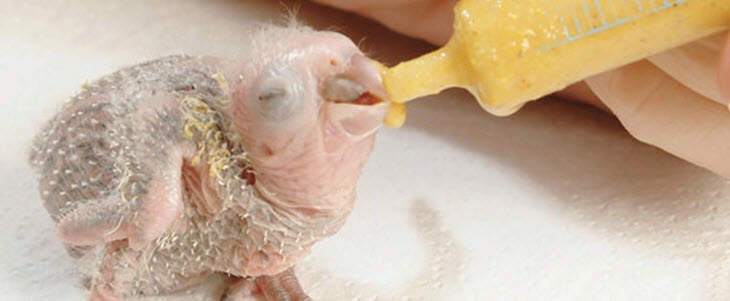
Newly hatched birds look very different from adult birds. They have no feathers at first, just a thin layer of down. Their eyes are closed and they can’t see. Their bodies are pink and wrinkled. Baby birds grow fast. They gain weight every day. Within a week, pin feathers start to appear.
These look like little tubes sticking out of the skin. The feathers slowly unfold from these tubes. Their eyes open after 5-14 days, depending on the type of bird. As they grow, baby birds get more active and start to move around more.
Nutritional Needs
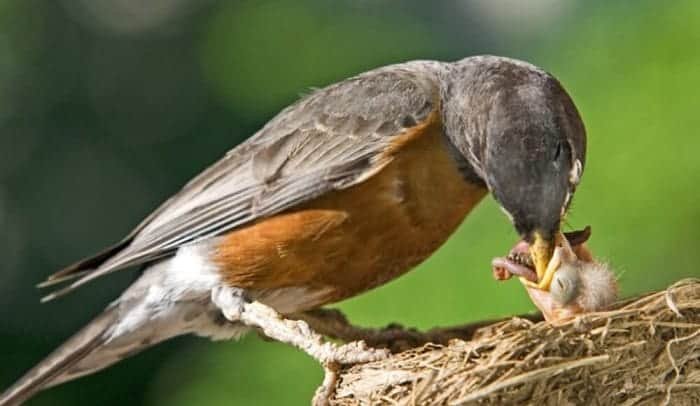
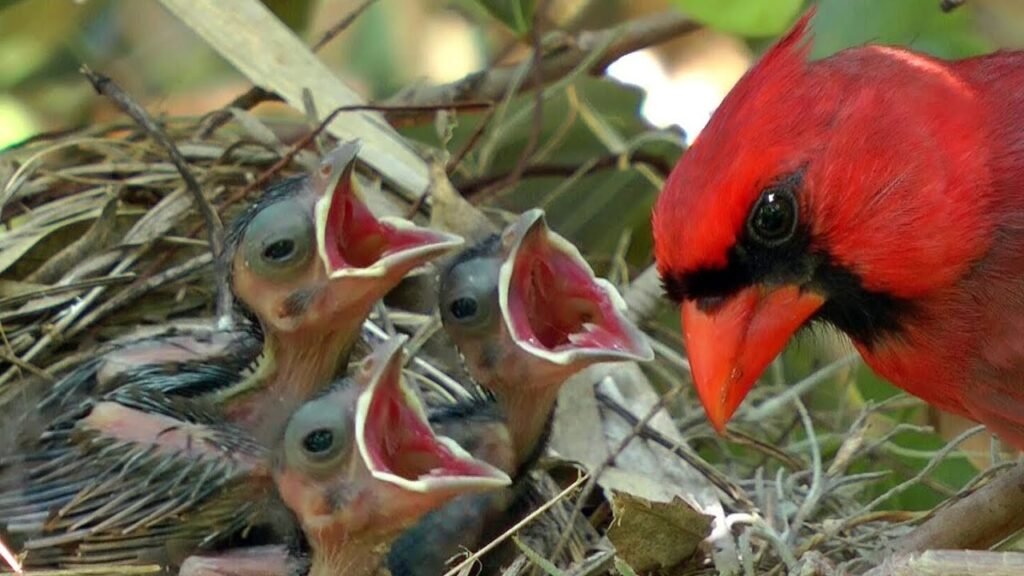
Baby birds need the right food to grow. In the wild, parent birds feed their babies. The diet depends on the bird type. Some eat insects, others need fruit or seeds. Baby birds need to eat often, about every 20 minutes from dawn to dusk. They need food high in protein and fat. Commercial bird formulas can work well.
These come as a powder to mix with water. It’s key not to give baby birds human food. Bread, milk, and worms from the yard can make them sick. Always use clean tools to feed baby birds. Wash your hands before and after feeding.
Preparing to Feed a Newborn Bird
Feeding a newborn bird requires careful planning and preparation. It’s important to handle the bird safely, set up a proper feeding schedule, and choose the right food.
Safe Handling
Always wash your hands before touching a baby bird. Use clean, soft towels or tissues to handle the bird gently. Keep the bird warm by placing it in a small box lined with soft cloth. Make sure the box has air holes. Don’t use cotton balls, as they can tangle in the bird’s feet.
Put the box in a quiet, dark place away from pets and children. This helps reduce stress for the bird. Check on the bird often, but try not to disturb it too much. Wear gloves if possible to protect yourself and the bird.
Creating a Feeding Schedule
Baby birds need to eat often. Set up a feeding schedule based on the bird’s age and species. Very young birds may need food every 15-20 minutes from sunrise to sunset. Older nestlings might eat every 30-45 minutes. Keep track of feedings with a log or chart. Note the time and amount of food given at each meal.
This helps ensure the bird gets enough to eat. Be ready to adjust the schedule as the bird grows and its needs change. Remember that feeding a baby bird is a big commitment. It requires time and patience. If you can’t keep up with the feeding schedule, contact a wildlife rescue center for help.
Choosing the Right Food
Pick food that matches what the bird would eat in nature. For most songbirds, a mix of mashed dog or cat food, hard-boiled eggs, and insects works well. Soak dry dog food in water to make it soft. Mix in small amounts of finely chopped fruits or vegetables.
Never feed birds:
- Milk
- Bread
- Worms
Use a syringe, eyedropper, or tweezers to feed the bird. Make sure the food is at room temperature. Warm food slightly if needed, but test it to avoid burns. Offer small amounts at a time to prevent choking. Keep fresh water available, but don’t force the bird to drink. Clean all feeding tools after each use to prevent bacteria growth.
Feeding Techniques
Proper feeding techniques are crucial for the health and survival of newborn birds. These methods ensure the bird receives adequate nutrition safely and comfortably.
Hand-Feeding Method
Hand-feeding requires care and precision. Wash your hands thoroughly before handling the bird or food. Hold the bird gently but securely, supporting its head and neck. Open the bird’s beak carefully with your fingertip. Use a small spoon or popsicle stick to offer food. Place small amounts at the back of the tongue, allowing the bird to swallow naturally.
Never force-feed or overfill the mouth. Watch for the crop (area at the base of the neck) to fill slightly. This indicates the bird has eaten enough. Clean any spills from the bird’s feathers to prevent matting.
Using Feeding Syringes
Syringes offer precise control when feeding liquid or soft foods. Choose a syringe with a narrow tip for better aim. Fill it with warm, properly mixed formula. Gently open the bird’s beak and place the syringe tip just inside, angled towards the back-right of the throat.
Slowly dispense small amounts, allowing the bird to swallow between each squeeze. Be cautious not to insert the syringe too deeply or squirt food too quickly. This could cause choking or aspiration. Clean and sterilize syringes after each use to prevent bacterial growth.
Feeding Frequency and Amount
Newborn birds have high metabolic rates and need frequent feedings. Feed every 15-20 minutes from sunrise to sunset for the first week. Gradually increase the time between feedings as the bird grows. The amount per feeding depends on the bird’s size and species.
As a general rule, offer an amount equal to about 10% of the bird’s body weight per feeding. Look for a slightly rounded crop as a sign of fullness. Reduce feeding frequency to every 30-45 minutes in the second week. By week three, feedings can be every 1-2 hours. Always monitor the bird’s weight and adjust as needed.
Identifying and Addressing Problems
Feeding a newborn bird can be tricky. Problems may pop up, but knowing what to look for helps catch issues early. Quick action can keep baby birds healthy and growing.
Recognizing Feeding Issues
Watch for signs that a baby bird isn’t eating well. Weak or slow movement may mean the bird is hungry. A sunken crop (the area below the neck) points to not enough food. Check the bird’s droppings – they should be firm and dark. Runny or green poop can signal trouble. Weigh the bird daily. Losing weight or not gaining enough is a red flag.
Baby birds should grow fast. If growth slows down, it’s time to adjust the feeding plan. Keep an eye on how the bird acts during meals. A healthy chick will be eager to eat. If it seems tired or uninterested in food, something might be wrong.
Dealing With Rejection of Food
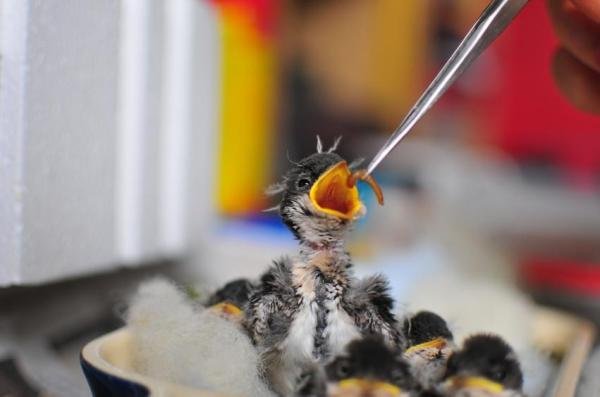
Sometimes baby birds refuse to eat. This can happen if the food is too cold. Warm the formula to about 102-106°F (39-41°C). Use a thermometer to get it right. Try different feeding tools. A syringe might work better than a spoon for some birds. Make sure the tool fits the bird’s beak size.
Offer food at the right times. Baby birds need to eat often, but not when they’re too full. Wait until the crop empties before the next feeding. If a bird keeps refusing food, check for other health issues. A vet can help spot problems you might miss. Don’t force-feed – it can harm the bird.
Health Monitoring
Keeping a close eye on a newborn bird’s health is crucial for its survival and proper development. Regular check-ups and careful observation can help catch any issues early on.
Growth Milestones
Baby birds grow quickly in their first weeks of life. They should gain weight daily and show steady progress in feather development. Most species double their weight in the first 5-7 days. Tracking weight gain is key. Use a small digital scale to weigh the bird at the same time each day. Keep a log to spot any concerning trends.
Feather growth follows a predictable pattern. Pin feathers emerge first, then unfurl into full feathers. This process starts on the wings and tail, then spreads to the body. Activity levels also increase as the bird grows. It should become more alert and responsive over time. By 2-3 weeks old, many birds start attempting to perch or flutter their wings.
Warning Signs of Illness
Look out for signs that may indicate health problems in baby birds. Lack of appetite or refusal to eat is a big red flag. Other warning signs include:
- Lethargy or weakness
- Fluffed up feathers
- Closed or swollen eyes
- Discharge from eyes, mouth, or nostrils
- Labored breathing
- Drooping wings
- Bloody or watery droppings
Check the bird’s crop after feeding. It should empty between meals. A full crop that doesn’t empty can signal an infection. Dehydration is dangerous for baby birds.
Pinch the skin gently – it should spring back quickly. If it stays “tented,” the bird needs fluids. Act fast if you spot these signs. Contact a wildlife rehabber or avian vet right away for proper care.
Transition to Independence
Baby birds go through important changes as they grow. They start eating solid foods and learn to feed themselves. This helps them become independent from their parents.
Introducing Solid Foods
Baby birds begin eating solid foods when they are 1-2 weeks old. At first, they eat soft foods like mashed fruits or soaked seeds. As they get older, they try harder foods. Parents teach their babies to eat solids. They bring small pieces of food to the nest. The babies watch and learn. Soon, they start picking up food on their own.
Offer a variety of foods to baby birds. This helps them get good nutrition. Some good options are:
- Chopped vegetables
- Cooked egg
- Mealworms
- Small pieces of fruit
Weaning off Hand-Feeding
Weaning means slowly stopping hand-feeding. It usually starts when birds are 3-4 weeks old. The process takes 1-2 weeks.
To wean a baby bird:
- Reduce hand-feeding sessions each day
- Put food in a shallow dish in the cage
- Dip the bird’s beak in the food to show them
- Offer treats as rewards for eating on their own
Be patient during weaning. Some birds learn faster than others. Make sure the bird is eating enough on its own before fully stopping hand-feeding.
Watch for signs the bird is ready to wean. These include:
- Picking up food on their own
- Showing interest in solid foods
- Refusing hand-feeding
Long-Term Care Considerations
Proper habitat and ongoing nutrition are key for raising a healthy baby bird. These factors impact the bird’s growth, development, and future well-being.
Habitat Requirements
Baby birds need a warm, safe space as they grow. A small cage or box works well. Line it with soft materials like paper towels or cloth. Keep the area between 85-90°F for newborns. Lower the temp by 5°F each week as they grow feathers. Provide perches of different sizes once the bird can stand.
This helps foot health and balance. Add toys for mental stimulation. Keep the cage clean daily to prevent illness. Natural light is important, but avoid direct sun. A quiet spot away from drafts is best. As the bird grows, increase cage size to allow for movement and flight practice.
Ongoing Nutritional Support
A baby bird’s diet changes as it grows. Start with a commercial hand-feeding formula made for birds. Feed every 20-30 minutes from dawn to dusk for the first week. Gradually decrease feeding times as the bird ages. Around 2-3 weeks, start adding soft foods like mashed fruits and veggies. By 4-6 weeks, offer small seeds and pellets. Make sure food is room temperature.
Always provide fresh water. Use a shallow dish to prevent drowning. As the bird learns to eat on its own, offer a variety of foods to ensure proper nutrition. Weigh the bird daily to track growth. Consult a vet or wildlife expert if you notice any issues with eating or weight gain.
Frequently Asked Questions About Feeding a Newborn Bird
What should I feed a newborn bird?
Newborn birds usually require a species-specific hand-feeding formula, available at pet stores. Avoid feeding them milk, bread, or other unsuitable foods, as these can harm them. It’s essential to consult with a veterinarian for the best options for your bird’s species.
How often should I feed a baby bird?
Very young birds often need feeding every 2-3 hours during the day, while older nestlings may require feeding less frequently. Adjust feeding schedules as they grow, following guidance from an expert or veterinarian.
How do I prepare formula for a baby bird?
Mix the formula with warm water (about 95-100°F) to a thin yogurt-like consistency. Use clean utensils, and prepare fresh batches for each feeding to prevent contamination.
Can I give water to a newborn bird?
Baby birds get sufficient hydration from their food. Do not provide direct water, as they can accidentally aspirate it, which can be life-threatening.
How do I know if my bird is eating enough?
Healthy baby birds will display steady weight gain, alertness, and active begging behavior during feeding times. Monitor their growth and behavior daily to ensure proper development.
What are the signs of a sick baby bird?
Symptoms like lethargy, unusual droppings, loss of appetite, or changes in breathing patterns may indicate illness. Consult a vet immediately if you observe these signs.
How can I keep a baby bird warm?
Use a heat source like a heating pad or brooder set to a suitable temperature. Monitor closely to avoid overheating.
