
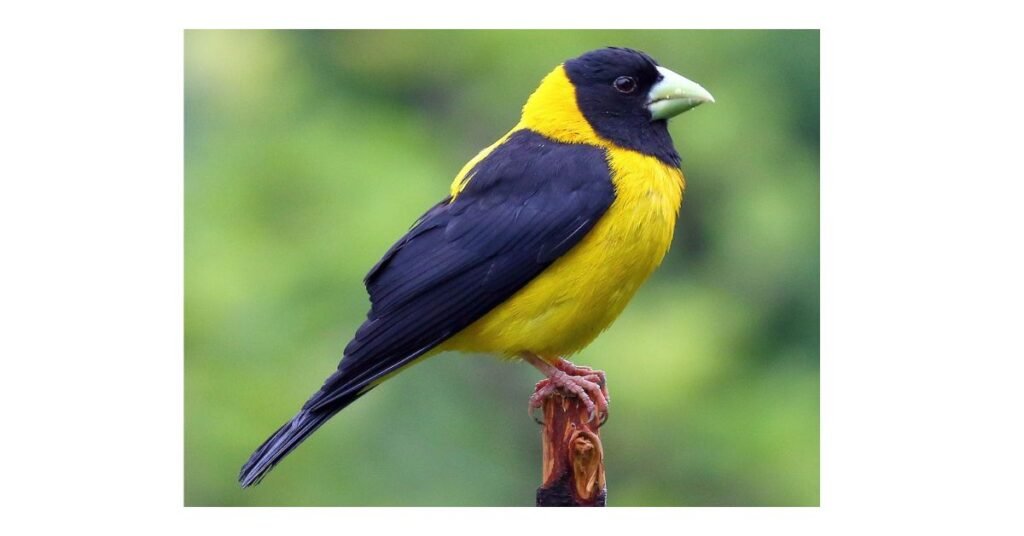
Birds with yellow and black plumage are a striking sight. Their vibrant colors, often associated with sunlight and mystery, captivate birdwatchers and nature lovers worldwide. From songbirds like the American Goldfinch to exotic weavers of Africa, these birds are not only beautiful but also play important roles in their ecosystems.
In this article, we will explore some of the most famous yellow and black bird species, their habitats, behaviors, ecological roles, and how to identify them. Whether you’re a passionate birder or just starting, this guide will provide you with all the essential information to appreciate and protect these magnificent creatures.
Top Yellow and Black Birds: Species and Characteristics
- American Goldfinch
- Known for its bright yellow body and black wings, the American Goldfinch is a common sight in North America during summer.
- Eurasian Golden Oriole
- Found in Europe and Asia, this bird is famous for its bright yellow body, contrasting with black wings and tail feathers.
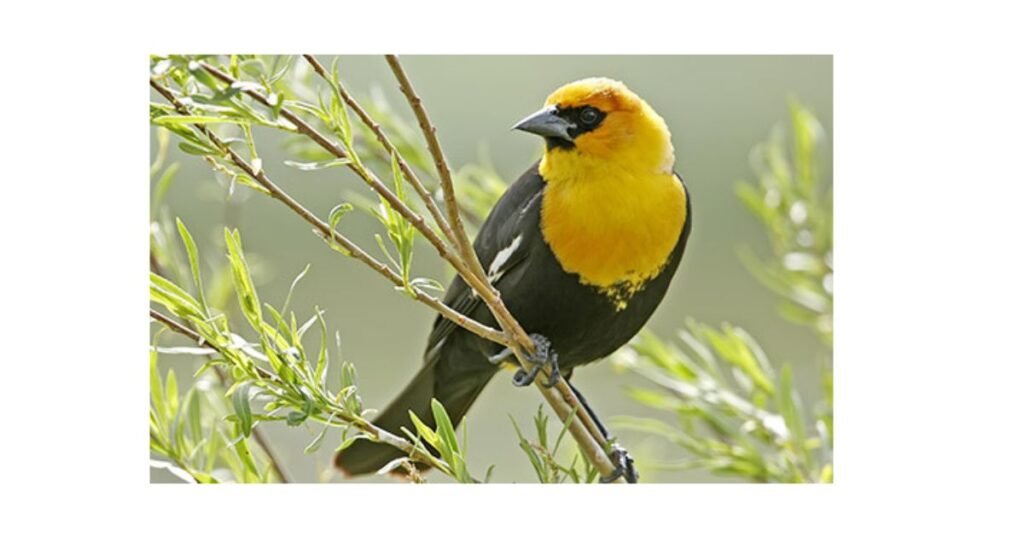
- Yellow-Headed Blackbird
- Native to North America, these birds are characterized by their bright yellow heads and black bodies.
- Masked Weaver
- Indigenous to Africa, Masked Weavers are known for their black faces and vibrant yellow plumage. They build intricate hanging nests.
- Baltimore Oriole
- With its vivid orange-yellow body and black head, the Baltimore Oriole is common in eastern North America during spring and summer.
The Science of Yellow and Black Pigmentation
Bird pigmentation results from two main sources: carotenoids and melanin.
- Carotenoids: These pigments, acquired through diet, give birds their yellow, orange, or red colors. Like the American Goldfinch, birds with bright yellow feathers get their coloring from eating seeds rich in carotenoids.
- Melanin: Responsible for black or dark feathers, melanin also strengthens feathers. Birds with black-tipped wings, like the Yellow-Headed Blackbird, use melanin for coloration and durability.
The combination of yellow and black in a bird’s plumage often has evolutionary benefits, including camouflage, communication, and attracting mates.
Habitats and Migration Patterns
- Tropical Rainforests: Birds like the Masked Weaver prefer tropical environments rich in food and nesting materials.
- Wetlands: Yellow-headed blackbirds are often found in marshes and wetlands, where they feed on insects and seeds.
- Urban Parks and Gardens: American Goldfinches and Baltimore Orioles are common visitors to suburban parks, especially during breeding seasons.
Migration Patterns
Some of these birds migrate seasonally to follow food sources. For example, Baltimore Orioles travel from North America to Central and South America for the winter, while American Goldfinches move southward within the United States.
Behavior and Communication
- Mating Displays: Male yellow and black birds often engage in elaborate displays to attract females. The Baltimore Oriole is known for its beautiful song during courtship.
- Birdsong: Species like the Eurasian Golden Oriole are famous for their melodic calls, often heard in dense forests.
- Nesting Habits: The Masked Weaver builds intricate nests out of grass, which it hangs from trees. Females inspect the nests carefully before choosing a mate.
These behaviors not only serve reproductive purposes but also help birds establish territories and communicate with their flock.
Ecological Role and Importance
Yellow and black birds play crucial roles in maintaining ecological balance:
- Pollinators: Some of these birds feed on nectar, helping with pollination.
- Seed Dispersers: By eating fruits and seeds, birds like the American Goldfinch contribute to plant reproduction.
- Pest Control: Many species feed on insects, keeping pest populations under control.
Their presence in ecosystems is often an indicator of environmental health, as they are sensitive to habitat changes and pollution levels.

Tips for Birdwatching: How to Spot Yellow and Black Birds
Birdwatching is both a rewarding hobby and a way to contribute to conservation efforts. Here are some tips to help you spot yellow and black birds:
Best Seasons and Locations
- Spring and summer are the best times to see many of these species during their breeding season.
- Look for American Goldfinches and Baltimore Orioles in parks, gardens, and wooded areas.
Recommended Gear
- Binoculars: A good pair of binoculars will help you get a closer look at these colorful birds.
- Birding Apps: Use apps like Merlin Bird ID to identify species by sight and sound.
Identification Tips
- Pay attention to the bird’s size, beak shape, and behavior.
- Listen for unique songs—many yellow and blackbirds have distinctive calls.
- Observe their flight patterns and preferred perching spots (e.g., Goldfinches often perch on sunflowers).
Threats and Conservation Efforts
Yellow and black birds face various challenges, including:
- Habitat Loss: Urbanization and deforestation reduce available nesting sites.
- Climate Change: Shifting weather patterns disrupt migration and food availability.
- Pesticides: The use of chemicals affects insect populations, reducing food sources for insect-eating birds.

Conservation Programs
Organizations like the Audubon Society and BirdLife International are working to protect bird habitats through reforestation and wetland preservation. Citizen science initiatives encourage birdwatchers to contribute sightings to databases, helping track bird populations and migration patterns.
You can help by:
- Providing food and water sources in your garden.
- Supporting bird-friendly policies and conservation programs.
Fascinating Facts About Yellow and Black Birds
- American Goldfinches molt their feathers twice a year, changing from a bright yellow summer plumage to a duller winter coat.
- Baltimore Orioles have inspired festivals and sports team names, symbolizing renewal and joy.
- Masked Weavers build multiple nests to impress females—if the female rejects a nest, the male quickly dismantles it and starts again.
- Yellow-headed blackbirds often form large flocks, especially in winter, creating mesmerizing displays in the sky.
These birds are full of surprises, making them fascinating subjects for both casual observers and dedicated bird enthusiasts.
Frequently Asked Questions About Birds That Are Yellow and Black
What are some common yellow and blackbirds?
Some common yellow and black birds include the American Goldfinch, Baltimore Oriole, Yellow-Headed Blackbird, Eurasian Golden Oriole, and Masked Weaver. These birds are found in various regions and are popular among birdwatchers due to their striking colors.
Why do some birds have yellow and black feathers?
Birds get their yellow coloration from carotenoids in their diet, while melanin contributes to black coloring. These colors can serve different purposes, such as attracting mates, camouflage, or signaling dominance.
Where can I find yellow and blackbirds?
You can spot these birds in various habitats. American Goldfinches and Baltimore Orioles are common in parks and gardens in North America, while Masked Weavers are native to African grasslands. Wetlands are ideal for finding Yellow-Headed Blackbirds.
Do yellow and black birds migrate?
Yes, some do. For example, Baltimore Orioles migrate from North America to Central and South America during winter, while American Goldfinches may move south within the U.S. for warmer climates.
What are the biggest threats to yellow and blackbirds?
The main threats include habitat loss, climate change, and pesticides. Urban development reduces nesting sites, while climate changes can disrupt their food supply and migration patterns.
